Assessing needs for a small business t-shirt printing setup
Understanding production volume and growth projections
A local SA survey found that demand for customized tees rose 28% last year, underscoring the potential of the t shirt printing machine for small business in turning a spare corner into a bustling studio. Assessing needs begins with volume, product mix, and the growth path you envision.
Understanding production volume and growth projections means forecasting monthly print runs, seasonal peaks, and the pace at which your business could scale. To frame this, consider these questions:
- Current monthly print volume and average order size
- Projected growth rate and new product lines
- Available workspace, electricity, and ventilation
- Budget for equipment, maintenance, and consumables
I’ve found that when capacity aligns with demand, teams move with confidence and clarity. The t shirt printing machine for small business becomes not just equipment, but a partner in storytelling, growth, and community impact.
Choosing between direct-to-garment and screen printing methods
In SA, the appetite for customized tees surged 28% last year, making the shop floor feel like a confetti cannon for brands. A t shirt printing machine for small business isn’t just gear; it’s a gateway to storytelling, repeat orders, and a bit of swagger.
Choosing between direct-to-garment and screen printing hinges on balance: speed, ink depth, and the simplicity of setup. Consider these factors:
- Volume and turnaround expectations: how production scale interacts with methods
- Design complexity and color richness: direct-to-garment vs screen limitations
- Cost structure: capex and ongoing consumables for each method
With the right choice, you can stitch a brand narrative as effortlessly as you press a print, turning your corner studio into a loop of creative energy.
Space, power, and maintenance considerations for a small shop
SA’s customized tee market surged 28% last year, turning a quiet room into a runway of ideas. A t shirt printing machine for small business isn’t just gear—it’s the doorway to consistent orders and a brand voice that travels beyond the till. It transforms a quiet corner into a bustling idea factory!
Assessing space, power, and maintenance needs keeps the dream anchored. In a compact shop, plan for more than a machine: you’ll want room to pre-press, dry, and store inks and shirts without collision.
- Adequate floor area and ceiling height for the platen and workflow
- Electrical requirements and outlets compatible with SA standards (consider 230V supply)
- Maintenance cadence for cleaning, ink care, and replacement consumables
These factors shape uptime, safety, and the rhythm of each run, ensuring the shop breathes rather than hurries.
Budgeting for equipment and consumables
SA’s customised tee market surged 28% last year, turning a quiet corner into a runway of orders. Budgeting for a t shirt printing machine for small business isn’t a gamble; it’s a commitment to tempo, voice, and reliability. The budget becomes a map, not guesswork, guiding a shop toward a sustainable, repeatable workflow.
To frame a realistic budget, anchor it in four essential pillars:
- Upfront equipment costs (printer, heat press, vacuum table)
- Ongoing consumables (inks, blanks, cleaners, coatings)
- Maintenance and warranties (spares, service intervals)
- Storage, workflow accessories, and contingency cash
In the South African context, align terms with local suppliers, factor VAT, and reserve working capital for quiet months. When the numbers feel balanced, the t shirt printing machine for small business keeps pace with growing demand and helps a brand speak consistently from design to delivery.
Types of machines suitable for small businesses
Direct-to-Garment printers (DTG) for beginners
In the quiet dawn of a Cape Town studio, every tee becomes a story waiting to be worn—thanks to the t shirt printing machine for small business that meets a growing demand for color, texture, and immediacy. A beginner-friendly DTG can illuminate a room with possibilities, turning soft fabrics into canvas, and yes, I’ve watched it happen.
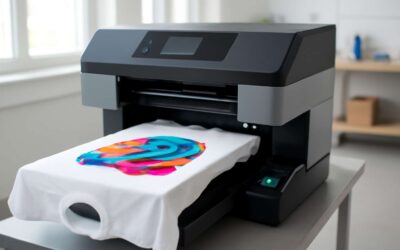
For beginners, Direct-to-Garment printers (DTG) offer a manageable footprint, simple interfaces, and built-in maintenance reminders.
- Compact footprint for small shops
- User-friendly control panel
- Integrated pretreatment and calibration features
- Respectful reliability and local service networks
Choosing the right machine is more than specs; it’s a promise to your customers that color and care travel together.
Screen printing presses for higher volume
Across South Africa’s buzzing markets, screen printing presses rise as steadfast workhorses for higher volume. A t shirt printing machine for small business that aims to grow can lean on a reliable press for rapid runs, bold colors, and durable layers that stand up to twice-daily orders.
- Speed and scalability for bulk runs
- Solid ink opacity and vibrant color layering
- Rugged build and longer life with local service support
- Clear setup, maintenance rhythm, and consumables management
Balanced choice comes down to footprint, ink system compatibility, and local aftercare. In South Africa, trusted distributors and service networks keep downtime minimal, ensuring your t shirt printing machine for small business stays in motion.
Sublimation and heat transfer options
Across South Africa, boutique brands have driven a 40% uptick in custom apparel orders this year, a signal that every t shirt printing machine for small business should be nimble, reliable, and ready to grow with you.
For those leaning into sublimation and heat transfer, compact options deliver big impact without swallowing floor space.
- Sublimation printers designed for polyester-heavy runs
- Heat presses, available as clamshell or swing-away models
- Heat transfer vinyl (HTV) systems and transfer papers for short runs
Sublimation excels in vivid color and durable finishes, especially on synthetic fabrics, while heat transfer methods offer versatility for cotton blends and one-off designs. Local service networks and readily available consumables keep the workflow steady, a crucial edge for small shops navigating South Africa’s dynamic markets.
Hybrid printers and combination setups
Across SA, custom apparel orders are up 40% this year. That growth demands a nimble setup that scales with demand. A smart option is a hybrid approach: a t shirt printing machine for small business that can switch between direct-to-garment, sublimation, and transfer workflows on the same footprint.
- Hybrid printers combine multiple processes, cutting downtime.
- Combination setups pair a DTG unit with a compact heat press for on-demand versatility.
- Compact, modular designs fit tight shop floors and simplify maintenance.
These systems excel where color, speed, and consistency matter. Local consumables and service networks keep the line steady, helping South African shops stay competitive in dynamic markets.
Portable and compact printers for pop-up shops
South African shops are riding a wave—custom apparel orders have surged 40% this year, turning pop-up stalls into rapid-fire workshops. In this climate, a t shirt printing machine for small business that travels between markets becomes a secret weapon, maintaining speed and quality on a crowded, space-limited floor.
Portable and compact options that fit a pop-up rhythm include:
- Mini DTG printer that fits into a small case for easy transport
- Compact sublimation printer delivering bright, durable transfers
- Mobile heat press with adjustable platen for on-site versatility
These agile setups keep color punch and maintenance light, letting local brands chase demand from market to market with confidence.
Key features to compare when selecting a t-shirt printer
Print head technology and color capabilities
Color is the badge of your brand, and nowhere is that truer than on fabric. When selecting a t shirt printing machine for small business, print head technology and color capabilities are not afterthoughts but front-line decisions. A printer that lays down precise pigment on cotton and blends with sturdiness turns simple tees into repeatable orders. Ink flow and head reliability influence speed, waste, and the final finish—this choice deserves careful thought.
Key features to compare include:
- Print head technology: thermal vs piezo, nozzle density, and reliability
- Color capabilities: CMYK, white underbase, spot colors, and smooth gradients
- Ink compatibility and substrate support: water-based, plastisol, UV inks, fabrics
- Calibration and color management: ICC profiles, linearization, and in-printer tuning
For South Africa’s shop floor, service access and local support shape uptime as much as color theory.
Speed, throughput, and downtime considerations
Two seconds saved per shirt can translate to a 15% jump in weekly output, and South Africa’s shop floors are ready for that leap. Speed, throughput, and downtime are the trio that shapes your day-to-day. In a market buzzing with demand, a printer with a calm, predictable tempo keeps warehouses full of finished tees and happy customers.
When evaluating speed, look at two things: print rate and job-change efficiency. A printer that slides from one design to the next without bottlenecks turns capacity into cash flow. Choosing a t shirt printing machine for small business means weighing speed against durability.
- Cycle time per item and how well the head handles continuous runs
- Downtime for maintenance and access to local service in SA
- Print consistency during high-volume shifts and color stability
In practice, uptime is a product of hardware reliability, spare-parts availability, and service networks that reach your plant quickly. A thoughtful choice here reduces surprising pauses and preserves your rhythm.
Ink types, costs, and wash fastness
In a bustling SA design scene, color choice can make or break a run. A t shirt printing machine for small business hinges on ink types, costs, and wash fastness—the triad that keeps orders vibrant and clients coming back. Ink ecosystems vary widely:
- Water-based inks for a soft hand and fade resistance
- Plastisol inks for bold color on dark fabrics
- Pigment inks for rich color depth on light fabrics
Costs unfold over the life cycle: upfront ink costs, coverage per shirt, and re-inking frequency. Wash fastness—the color’s stubbornness against laundering and heat—protects reputation more than glossy graphics. For small SA shops, the balance between ink chemistry and consumable spend shapes margins and the long-term viability of equipment choices.
Software compatibility and workflow integration
In a crowded market, the right software fit can shave hours from every run. For a t shirt printing machine for small business, you want a system that talks to your design studio, order desk, and inventory without a hitch—think a lighthouse in the SA design fog. SA shops need hardware that accepts common file formats and keeps color management consistent from first draft to final batch.
- File format support and color management alignment
- Open API and vendor integrations (e-commerce, ERP)
- Driver stability and firmware update cadence
- On-printer workflow features (Job tickets, queues, barcoding)
Choose a platform with local support and robust online resources. The right match minimizes downtime, protects data, and keeps your SA customers happy with reliable color reproduction and predictable results.
Maintenance, warranties, and service networks
A blazing fact for SA shop floors: downtime costs businesses up to 30% more than planned downtime, driven by sneaky maintenance gaps and brittle warranties. When choosing a t shirt printing machine for small business, the true champions are those with predictable upkeep, robust warranties, and widely reachable service networks—a lighthouse that keeps production steady through storms of demand.
Key maintenance and support facets to weigh:
- Maintenance cadence and parts availability
- Warranty terms and on-site coverage
- Service network reach across SA towns and cities
- Remote diagnostics and upgrade cadence
Choose a platform with local technicians and reputable online resources; the right fit for your studio will minimize downtime, safeguard data, and keep color fidelity consistent from draft to batch.
Cost, ROI, and financing for small business printing machines
Total cost of ownership: purchase price, inks, and accessories
Cost in focus: The total cost of ownership for a t shirt printing machine for small business isn’t merely the purchase price. You’ll also pay inks, maintenance, and accessories. In South Africa, bulk ink suppliers and local service networks shape affordability, turning high-quality output into a reachable horizon.
ROI hinges on volume, margin, and uptime. When financing aligns with growth, the payback period can become a practical milestone rather than a distant dream.
- Vendor financing with staged payments
- Bank or microfinance loans tailored to equipment purchases
- Lease-to-own arrangements with maintenance packages
Financing specifics: depreciation, tax advantages, and service agreements can tilt the balance in favor of ownership. Consider lines of credit that match your lifecycle and avoid idle hardware.
ROI scenarios for different business models
“Uptime is currency,” a South African boutique owner once told me. ROI isn’t a myth—it’s a function of volume, margins, and steady throughput for a t shirt printing machine for small business. Consider upfront cost, ongoing ink costs, and maintenance, plus financing options that suit cash flow. When your growth plan aligns with dependable equipment, the payback becomes a practical milestone rather than an unreachable dream.
ROI scenarios vary by model and market. A t shirt printing machine for small business can tailor profit curves. Here are quick ROI scenarios across common micro-operations:
- On-demand apparel design shop targeting local brands: steady orders, shorter run lengths, quicker payback.
- Pop-up events and markets with portable setups: higher margin per piece, but seasonal demand is a factor.
- Corporate gifting and bulk orders for small enterprises: larger ticket sizes, longer lead times, and durable uptime as a differentiator.
Financing options and leasing programs
Cash flow hacks work like tightrope walking—with a safety net. For a t shirt printing machine for small business, the upfront price is a hurdle, but the real cost is ink, maintenance, and rare replacements that bite between big orders. When financing matches your cash cycle, momentum stays intact and payback feels practical, not mythic.
Financing options and leasing programs can turn the pinch into a plan. Practical routes that suit South Africa’s landscape include:
- Vendor financing with fixed terms and on-site support
- Bank loans tailored to equipment purchases
- Equipment leasing with maintenance options
- Pay-as-you-go or revenue-sharing from suppliers
Leases often bundle service, warranties, and upgrade paths, helping you forecast total cost of ownership without surprises. Terms that align with seasonality keep downtime predictable, and reliability becomes your edge.
Depreciation, tax incentives, and incentives
Every rand spent on a t shirt printing machine for small business is a bet—and in rural South African towns, that bet keeps the lights on when orders are scarce. The upfront price stings, but depreciation schedules and tax incentives can spread that cost into welcomed increments, making ROI feel practical rather than mythical. When a dependable press stays busy, momentum follows.
- Depreciation and tax treatment to accelerate write-offs
- Maintenance, spares, and ink consumables as recurring costs
- Downtime versus reliability and uptime guarantees
- Upgrade paths and resale value that protect the long tail
ROI depends on volume and dependable throughput, not flash alone. Smart financing can align payments with your cash cycle, turning a jagged ramp into steady growth.

0 Comments