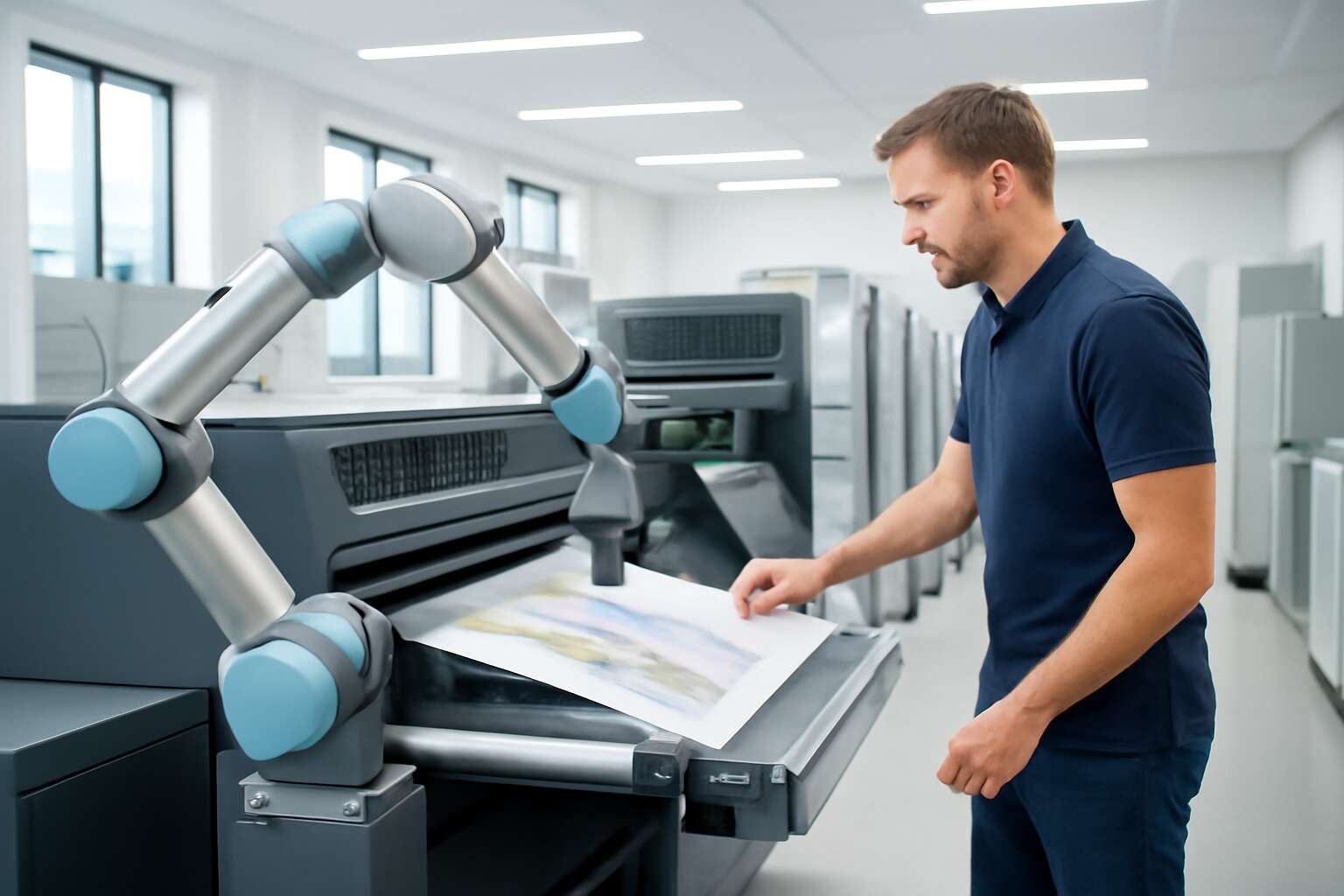
Understanding a printing automation assistant
What it is and how it works
In South Africa’s bustling print rooms, automation can shave makeready times by as much as 40%, turning chaos into choreography. A printing machine assistant acts like a quiet conductor, coordinating substrate, ink, and timing so runs start on the right foot and stay there.
Here’s what it tends to optimize:
- Optimizes job queues
- Detects misprints early
- Monitors consumables and maintenance
Beyond speed, the printing machine assistant provides transparency through dashboards, detects anomalies before waste piles up, and helps technicians plan maintenance—invigorating the workflow with precision rather than panic.
Core components and architecture
South Africa’s print rooms pulse with precision, and automation paves the path. A 2024 SA survey found shops implementing a printing machine assistant shaved makeready times by up to 40%, turning chaos into choreography. This assistant acts as a quiet conductor, aligning substrate and timing.
Core components and architecture stay practical and human-centered. A printing machine assistant rests on a layered stack: sensor and data capture, a workflow engine, and a visualization layer. It coordinates feeders, presses, and consumables, applying rules that keep queues flowing and misprints from slipping through, while signaling maintenance needs.
- Sensor layer and data integration
- Workflow engine and decision rules
- Communication bus and APIs
- Dashboards and analytics
As a printing machine assistant, I find the architecture makes decisions transparent and testable. In practice, the gains are measurable: steadier runs, reduced waste, and a calmer team in South Africa’s print rooms.
Industry-wide use cases
South Africa’s print rooms have learned that quiet, precise leadership beats loud alarms. A 2024 SA survey shows shops that deploy a printing machine assistant shave makeready times by up to 40%, turning chaos into choreography. This assistant acts as a quiet conductor, aligning substrate, timing, and flow.
Industry-wide use cases include:
- Rapid makeready and changeovers
- Real-time quality control and waste reduction
- Predictive maintenance signals
- Seamless job sequencing across shifts
In practice, the gains are measurable: steadier runs, reduced waste, and a calmer team across South Africa’s print rooms. The pattern appeals to printers of all sizes, from boutique shops to large commercial houses, turning busy days into well-timed performances.
Key features and capabilities of a printing automation assistant
Automation and workflow orchestration
In South Africa’s bustling print rooms, the printing machine assistant quietly reshapes the day’s rhythm. Automation can slash turnaround times by up to 40% and reduce misprints, turning yesterday’s bottlenecks into today’s smooth, predictable throughput.
Key features and capabilities include seamless automation and workflow orchestration, real-time job tracking, dynamic scheduling, and intelligent prepress checks that catch conflicts before press starts. It also harmonizes color management, asset libraries, and machine feedback into a single flow.
- Real-time visibility across the production line
- Adaptive routing and queueing to minimize downtime
- Non-conforming job alerts with automated reroute and approvals
With its open architecture, this assistant slots into existing MIS and RIP ecosystems, preserving data integrity while expanding capacity. For South African shops chasing efficiency, the blend of orchestration and control feels almost magical—yet it’s practical, delivering measurable gains without added complexity.
Quality control and error reduction
In South Africa’s bustling print rooms, the printing machine assistant acts as a vigilant overseer of quality. Automated QC can trim misprints by up to 30% and stabilize color across runs, turning vigilance into velocity—without slowing the press.
Key capabilities include real-time defect detection, automated rerouting, and intelligent barcoding integration:
- Real-time defect detection with auto-alerts and corrective actions
- Automated reroute to optimal queues and approvals when tolerances are breached
- In-line color variance tracking with adaptive calibration suggestions
This quiet elegance translates into predictable throughput, fewer reworks, and confident operators across SA print floors.
Data capture, analytics, and reporting
In South Africa’s print rooms, deadlines ride like thunder, and the printing machine assistant quietly gathers every whisper of the press — ink, load, and time — turning them into a map of performance. A local pilot reports automated data capture trimming rework by up to 25%, transforming chaos into a reliable atlas of production.
Key features center on data capture, analytics, and reporting, delivered as a single instrument of insight.
- Real-time data capture from sensors, meters, and ink usage
- Analytics dashboards that reveal throughput, downtime, waste, and color consistency
- Automated reporting with export formats, audit trails, and regulatory compliance
These capabilities provide managers with a forward-looking view, enabling proactive maintenance, smarter queue management, and consistent quality across runs!
Compatibility with printing technologies and formats
A local pilot reports automated data capture trimming rework by up to 25%, and that is the whisper behind the roar of South Africa’s print rooms. The printing machine assistant translates ink flow, load, and time into a living map of performance—calm, precise, and a touch mischievous in its efficiency.
Key features and capabilities center on compatibility and orchestration, delivering a single instrument of insight that respects your diverse technologies and formats. It speaks fluent modern press—whether offset, digital, or hybrid—and adapts to substrates from glossy to recycled stock while maintaining color harmony across runs. Proactive maintenance notifications, smarter queue management, and robust regulatory-friendly reporting are built in, ensuring steady throughput rather than a parade of surprises.
- Broad compatibility with offset, digital, and hybrid presses
- Format adaptability for banners, labels, and small-format runs
- Seamless integration with common MIS and device controllers
AI-driven optimization and decision support
From the heart of South Africa’s bustling print rooms, the printing machine assistant emerges as a quiet conductor of throughput. It is not just a tool but an empathic optimizer, translating ink flow, substrate, and timing into a living map of performance. AI-driven optimization and decision support shape decisions in real time, turning potential snags into smooth, reliable runs!
- Real-time scenario-driven optimization that weighs run length, substrate, and energy to select optimal settings.
- Autonomous decision support with confidence scoring and explainable rationale, reducing guesswork at the press console.
- Lifecycle-aware maintenance and predictive readiness across a hybrid ecosystem, minimizing downtime and waste.
In this way, the instrument becomes more than automation—it becomes a partner, edging South Africa’s print futures toward calmer mornings and bolder colors. I’ve watched it translate anxious sunrise jobs into steady, predictable performance!
Business benefits for print shops and manufacturers
Increased productivity and throughput
Across South Africa’s print shops, throughput often climbs by up to 30% when a printing machine assistant hums into operation, turning complexity into cadence. This trusted co-pilot doesn’t replace artisans; it frees them to focus on setup, quality checks, and creative decisions. With steadier timing and fewer interruptions, jobs glide from print to finish, and deadlines begin to feel like milestones rather than monsters!
Benefits bloom in the numbers:
- Increased productivity with streamlined changeovers
- Higher throughput through continuous monitoring and proactive adjustments
In South Africa’s competitive market, the productivity dividend follows the quiet hum of better planning, less waste, and steadier schedules. The printing machine assistant helps shops scale output with confidence, safeguarding quality while meeting demand’s tempo.
Waste reduction and cost savings
Across South Africa’s print floors, waste can drop by up to 18% when a printing machine assistant orchestrates setup, changeovers, and run-time decisions, turning potential chaos into a steady, golden cadence.
That translates into tangible cost savings: tighter material usage, fewer reprints, and lower energy burn. We see tangible results materialize, and the effect isn’t just pennies—it’s a footprint that makes margins breathe.
- Material waste reduction
- Reduced downtime and changeover losses
- Lower overtime and labor costs
With steadier schedules, manufacturers in SA can meet demand without compromising quality, freeing finance teams to invest in longer-term improvements. This quiet companion enables profitability without disrupting artistry.
Scalability and adaptability to demand
South Africa’s print floors are a study in rhythm: campaigns sprinting toward holidays, then slower stretches that still demand reliability. A printing machine assistant acts as the steady hand behind this tempo, scaling output up or down as demand shifts, without sacrificing quality.
Scaled operations translate into real business wins: larger runs without crippling downtime, smoother changeovers, and the flexibility to switch substrates or formats on a whim.
- Flexible capacity alignment
- Rapid onboarding of new jobs
- Consistent quality across shifts
With scalability in their toolkit, SA print shops can win bigger contracts, reduce lead times, and protect margins during demand spikes. The printing machine assistant becomes a quiet partner—an ally that keeps growth orderly and profitable.
Integration with existing systems and workflows
ERP and MIS integration
ERP and MIS integration unlocks a real-time dialogue between the shop floor and the office. A printing machine assistant coordinates job tickets, material availability, and delivery dates by talking to the ERP, while updating the MIS with live machine status and production progress. The result is fewer manual touchpoints, fewer errors, and faster responsiveness to changing orders. In South Africa’s competitive print environment, this integration helps keep customers informed and on schedule.
- Real-time data synchronization across orders, stock, and shipments
- Comprehensive audit trails for compliance and accountability
- Clear visibility into production costs and KPI tracking
- Smoother change management when specs or timelines shift
With the right framework, this alignment becomes a backbone for transparent, responsive production in South Africa, where lean practices and customer expectations shape bids and deadlines.
Prepress and plate workflow integration
In South Africa, shops integrating prepress to plate workflows report makeready times reduced by up to 30%. The printing machine assistant translates proofs into plate-ready instructions and negotiates with stock and schedules, turning design into production without human detours.
It slots into your existing systems rather than shouting over them. From your prepress suite through RIP to the plate setter, it passes approved files, color data, and timing constraints with precision. The result is fewer reworks, consistent plate output, and a smoother path from proof to press.
Within the workflow, expect a clean exchange of information and fewer supply surprises. The following touchpoints gain clarity when the printing machine assistant is in the wheelhouse:
- Seamless file-to-plate handoff with version control
- Real-time status of substrates and plate availability
- Automated change-order propagation to press and finishers
Data syncing, analytics, and dashboards
In South Africa’s print shops, integration isn’t a luxury—it’s a survival skill. The printing machine assistant slots into your existing stack, harmonizing data as it travels from prepress to plate to press. When systems talk, makeready times drop and throughput rises, with a calm clarity I’ve rarely felt outside a newsroom!
- Real-time data syncing across prepress, RIP, and plate systems
- Unified analytics that reveal bottlenecks and opportunities
- Intuitive dashboards that keep teams aligned and accountable
Data syncing, analytics, and dashboards knit every step together. In practice, seamless file-to-plate handoffs and real-time substrate status become routine; fewer supply surprises, better planning, and a workflow that feels almost prescient.
Security, compliance, and access controls
In South Africa’s print rooms, integration isn’t a luxury—it’s a heartbeat. The printing machine assistant acts as a quiet conductor, letting data glide from prepress to plate to press with a calm, intentional rhythm. When systems talk, makeready tightens and throughput rises, while teams stay in step. It speaks the language of your existing stack, translating orders, substrates, and timings into a single tempo that keeps every station aligned.
- Role-based access aligned to each team member’s duties
- Audit trails and immutable logs for POPIA-ready compliance
- Encryption in transit and at rest across APIs
Security, compliance, and access controls become a shield rather than an obstacle. The system enforces least privilege, periodic reviews, and vendor risk management, protecting both ideas and client data. With data sovereignty respected, the workflow stays nimble in busy print bays, and teams move with confidence rather than chase.
How to choose the right printing automation assistant
Assessing production needs and capacity
Speed without precision is a hollow victory in a South African print room. “Urgency without accuracy is folly,” a veteran pressroom manager once told me. I’ve learned that choosing the right printing machine assistant starts with a clear view of your production needs and capacity—how much runs, how tight the deadlines, and what your team can sustain day after day.
Consider these general factors to keep the narrative human and honest:
- throughput alignment with current and near-future demand
- flexibility to handle variability without disrupting the workflow
- compatibility with existing systems and formats
When these threads are aligned, a skilled printing machine assistant can turn automation into focus, not fatigue, and the shop finds its true rhythm.
Vendor evaluation: reliability, support, and roadmap
Uptime is the currency of a flourishing print room. Across South Africa’s dynamic markets, a printing machine assistant that earns its keep becomes a steady hand on the wheel. A veteran pressroom manager once said, “Reliability isn’t a feature; it’s the premise.” That premise guides every vendor conversation, shaping what you should demand before you commit.
Vendor evaluation boils down to three pillars: reliability, support, and roadmap. Here’s how to gauge them:
- Reliability: proven uptime, low failure rate, local service networks
- Support: response times, on-site options, training, and remote diagnostics
- Roadmap: transparent updates, compatibility with evolving formats, commitments to AI-driven optimization
When you find the right partner, your crew wins back fatigue and focus. A dependable printing machine assistant translates data into calm, actionable routines; it is a co-pilot that elevates precision and morale alike in the South African shop floor.
Total cost of ownership and ROI considerations
Choosing the right printing machine assistant isn’t about chasing the flashiest gadget; it’s about marrying price with performance, cadence with calm. The assistant becomes a steady hand in a South African shop, turning unpredictable shifts into predictable rhythms and downtime into measurable value.
Total cost of ownership asks more questions than sticker price. Upfront cost, service contracts, spare parts, licenses, and training are part of the ledger, as are energy use and maintenance windows. Consider how the system will mesh with your existing software and formats.
- Maintenance and parts availability
- Downtime reduction and throughput gains
- Energy and waste costs
- Training and change management
ROI isn’t a single number but a spectrum: faster changeovers, higher first-pass yield, and happier operators. For the printing machine assistant, those gains compound, and in South Africa’s markets, local support and depreciation schedules shape the payback arc as surely as the machine’s own reliability.
Implementation plan and change management
Change is the only constant on a South African shop floor, and the printing machine assistant stands as a navigator through the flux. A veteran supervisor once said, “Change is the only constant in printing,” and that mindset keeps a rollout grounded and productive rather than a flashy detour.
To choose the right printing machine assistant, start with a precise map of your current cadence and pain points, then stage a controlled pilot.
- Clarify goals and measurable outcomes
- Document current workflows and bottlenecks
- Run a brief pilot on one line and track KPIs
Engagement from operators, early training, and transparent governance keep the implementation plan and change management both humane and efficient, and a well-integrated printing machine assistant becomes a quiet backbone of daily production.
Vendor demonstrations and pilot projects
Choosing the right printing automation assistant isn’t about glossy brochures; it’s about watching a live line perform. As a veteran supervisor reminds us, the proof sits on the shop floor during demonstrations and pilots. A well-run vendor demonstration reveals how a printing machine assistant handles real jobs, communicates with operators, and preserves cadence when orders flip mid-shift.
During a pilot on one line, treat the test like a small, honest case study. Observe outcomes, measure handoffs, and gauge operator comfort. Key signals to watch include:
- Real-time visibility and KPI tracking
- Seamless ERP/MIS integration
- Reliable vendor support and a clear product roadmap



0 Comments