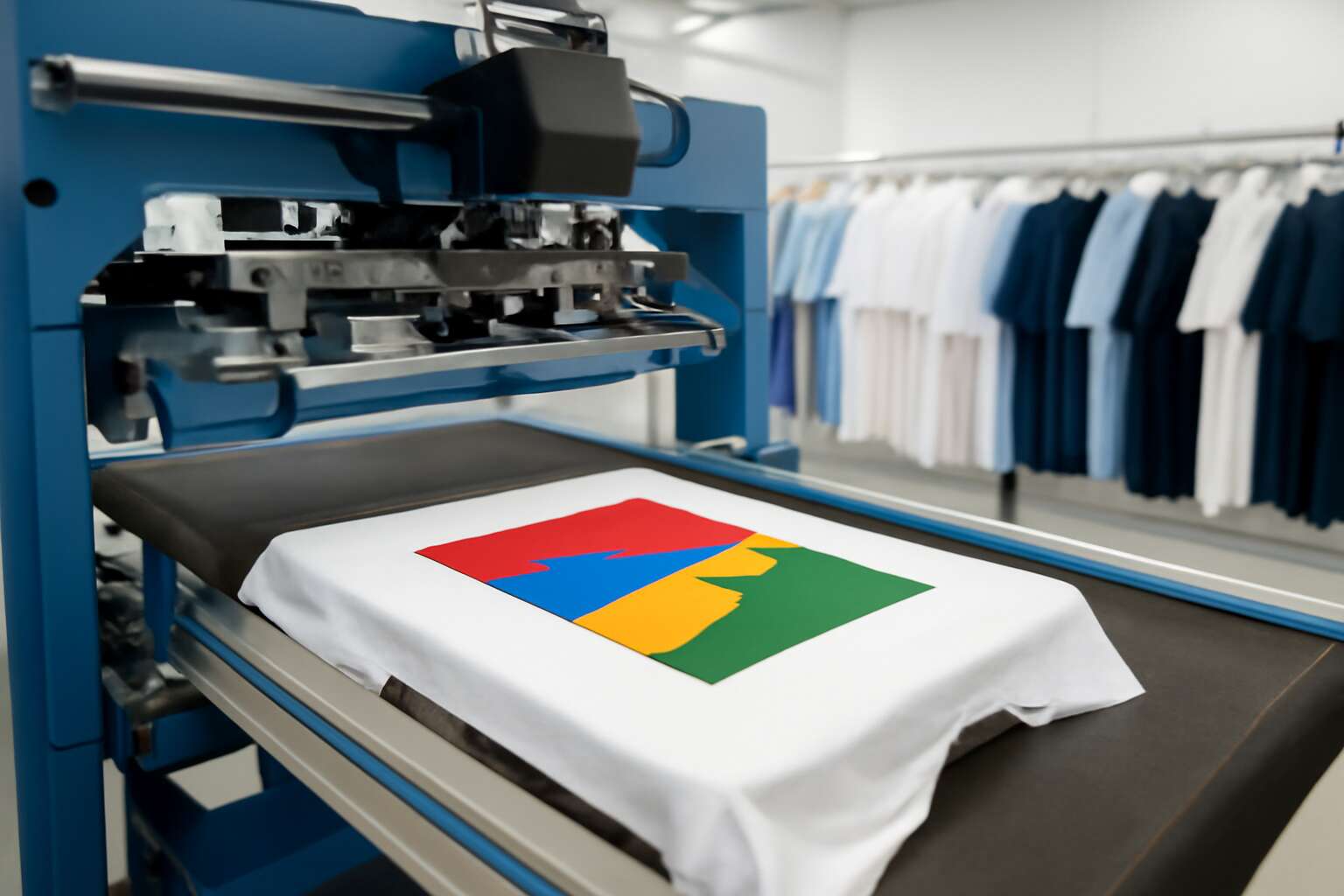
Apparel Printing Machines for Sale: A Practical Guide
Printing technology options for garments
Bold color and fast delivery are reshaping South Africa’s apparel scene. Local brands report lead times dropping when they pair smart equipment with skilled designers. If you’re scouting a printing machine for clothes for sale, you’ll see how precision and reliability translate into real orders!
Apparel printing technology offers practical routes. Consider throughput, fabric compatibility, and maintenance. Key options include:
- Direct-to-garment (DTG) printing: vibrant colors, soft hand feel, ideal for small runs.
- Screen printing: cost-efficient for larger batches, durable on cotton blends.
- Sublimation: sharp, all-over prints on polyester fabrics.
- Heat transfer: flexible, quick setup for on-demand designs.
Choosing is more than price; service, spares, and local training shape long-term success. A well-chosen solution echoes a shop’s tempo, from sampling to scale, while keeping print quality steady under varying conditions, a quiet social contract between maker and wearer.
Performance metrics to compare across models
South Africa’s garment studios report lead times slashed by as much as 30% when smart equipment joins with seasoned designers. A printing machine for clothes for sale becomes more than hardware—it’s a partner translating vision into durable, vibrant wear. I’ve watched models tested in a busy studio reveal a tempo where uptime and color stability matter as much as price!
- Print resolution and color fidelity across fabrics
- Hourly throughput and ink efficiency for real cost of ownership
- Ink system reliability and the availability of local spares and service
- Maintenance demands, ease of calibration, and energy use
In this South African landscape, service networks and local training shape long-term success. Uptime, calibration ease, and the ability to source spares locally decide whether a machine earns its keep or sits idle. The journey from sampling to scale is a quiet pact between maker and wearer, sustained by performance you can trust.
Industry use cases and target sectors
South Africa’s garment studios are reporting lead times shaved by up to 40% when smart equipment teams with seasoned designers. A printing machine for clothes for sale isn’t mere hardware; it’s a collaborator that translates vision into durable, vibrant wear. It’s where tempo meets texture and color holds through the wash.
Industry use cases span boutique labels, corporate apparel, sportswear, and education or nonprofit gear. Consider these core targets:
- Boutique labels and designer capsules
- Corporate wear and uniforms
- Sportswear and athleisure lines
- School, campus, and charity merchandise
In South Africa, service networks and local training keep colors dependable and uptime high, turning every print run into a quiet triumph.
Getting started: setup and workspace needs
Across South Africa’s garment hubs, the real magic isn’t just ink—it’s the workspace choreography that makes it sing. When smart machinery teams with experienced designers, lead times can drop by 40%, turning rough sketches into ready-to-wear realities.
Getting started means nailing space, power, and workflow. For a printing machine for clothes for sale, design a dedicated area with proper ventilation, dust control, and a stable table height.
- Adequate electrical supply and surge protection
- Ventilated room to manage fumes
- Bright lighting and clean dust control
- Rugged workbench with shelving for inks and tools
Plan cable management and safety: separate circuits, dry and secure storage for pigments, and a small cleanup station. With a little care, your setup becomes a reliable partner that travels from concept to colour.
Cost considerations: upfront vs ongoing costs
In South Africa’s garment hubs, the real magic isn’t just ink—it’s a well-timed choreography of space, heat, and ambition. A recent peek into local studios shows that bringing printing in-house can slash lead times by up to 40%, turning rough sketches into ready-to-wear realities on the shop floor and in the market. When the right prep meets dependable equipment, everyday ideas bloom into tangible colours.
Choosing the right printing machine for clothes for sale hinges on balancing upfront investment with ongoing costs. The sticker price, warranties, and service plans vary, but so do savings from reduced downtime and lower outsourcing fees. Consider financing options, spare parts availability, consumables prices, and energy use—the numbers matter as much as the style.
Key cost factors to consider:
- Initial purchase price and installation
- Ongoing maintenance, parts, and service plans
- Consumables, power usage, and downtime impact
Product Categories and Models Available For Garment Printing
Direct-to-Garment (DTG) printers and key features
Across South Africa, customised garments are becoming everyday statements, and the demand is rising fast. A recent snapshot shows a 28% year-over-year surge in personalised apparel, a statistic that signals real potential for DTG investments.
Product Categories and Models Available For Garment Printing Direct-to-Garment (DTG) printers span three modes: compact desktop units for boutique studios, mid-range workhorses for growing shops, and large-format industrial systems for high-volume runs.
- Desktop DTG: small footprint, easy setup, ideal for short runs
- Mid-range DTG: higher throughput, reliable white ink control
- Industrial DTG: rugged, continuous operation with bulk ink handling
Key features include vibrant colour reproduction on cotton blends, gentle fabric handling, scalable production, and robust local support networks. For readers in SA searching for a printing machine for clothes for sale, these DTG families offer practical paths from hobbyist prints to production-grade orders.
Screen printing presses for bulk orders
South Africa’s fabric houses are seeing bulk orders surge, with a 32% year-over-year uptick in screen-printed apparel. The scene rewards craft and volume alike, and the right printing machine for clothes for sale delivers both grit and grace—robust enough for long runs, gentle enough for fine cottons.
Product categories and models available for garment printing span three tiers:
- Manual bench presses for boutique studios and custom jobs
- Semi-automatic presses that merge speed with precision
- Automatic multi-color presses engineered for high-volume production
For South African shops seeking steady throughput and consistent colour, these screen printing presses translate imagination into mass-market reality, with sturdy ink systems and ergonomic workflows.
Dye-sublimation vs pigment inks for textiles
South Africa’s apparel print scene is buzzing—a 32% YoY surge in screen-printed gear has shops rethinking every sleeve seam. Bold runs, delicate cottons, and a chorus of swatches prove craft plus volume isn’t a dream but a workflow—and yes, someone is finally paying attention to humidity charts.
Product Categories and Models Available For Garment Printing:
- Manual bench presses for boutique studios and custom jobs
- Semi-automatic presses that merge speed with precision
- Automatic multi-color presses engineered for high-volume production
For shops seeking a printing machine for clothes for sale, the choice between dye-sublimation and pigment inks matters. Dye-sublimation delivers vibrant images on polyester-heavy fabrics with soft hand-feel, while pigment inks cling to cotton with sharp detail, often needing pretreatment and longer cure times.
Hybrid and multi-function printers
South Africa’s garment printers are swapping bottlenecks for hybrid workflows that mix flexibility with throughput. A well-chosen printing machine for clothes for sale can handle varied fabrics and finishes, letting small shops prototype and scale without nightly equipment swaps.
Product categories and models available for garment printing span three practical tiers, with hybrid and multi-function systems at the core:
- Manual bench presses for boutique studios and custom jobs
- Semi-automatic presses that merge speed with precision
- Automatic multi-color presses engineered for high-volume production
Hybrid platforms combine printing methods in one cabinet, and multi-function units swap between heat transfer, sublimation, and direct-to-garment with minimal downtime.
On the shop floor, reliability and local support matter more than glossy specs. Pick a unit with a service network across SA centers, ready spare parts, and a clear upgrade path. That’s how a printing machine for clothes for sale stays productive.
Budget-friendly vs premium options by business size
Product Categories and Models Available For Garment Printing span three practical tiers, tailored for South African shops of every size. At the budget end, manual bench presses unlock boutique customization without heavy capital. Semi-automatic presses fuse speed with precision, while automatic multi-color presses handle high-volume runs with repeatable color accuracy. Hybrid platforms, combining methods in one cabinet, offer the best of both worlds for flexible workflows.
- Manual bench press configurations for boutique studios
- Semi-automatic presses that blend speed with precise registration
- Automatic multi-color presses engineered for high-volume production
Budget-friendly options suit startups and boutique studios, while premium systems reward established shops with uptime and color accuracy.
Look for a dealer with a South Africa-wide service network and a clear upgrade path—that’s how a printing machine for clothes for sale stays productive.
Evaluating Value: ROI, Costs, and Run-time Efficiency
Evaluating total cost of ownership and ROI
In a crowded market, the real test of a purchase isn’t sticker price—it’s ROI that shines once the lights are off. For a printing machine for clothes for sale, run-time efficiency and maintenance matter more than glossy specs. In South Africa, where electricity costs pinch, measuring total cost of ownership is essential; it’s gospel.
Consider these drivers:
- Upfront cost and amortization
- Consumables per garment
- Downtime and maintenance windows
Think in small doses: upfront cost, consumables, energy use, maintenance, and downtime. Run-time efficiency—garments per hour—defines the break-even point.
When you weigh total cost of ownership, ROI, and run-time efficiency, you choose a partner, not a model. A well-supported setup turns prints into steady revenue, and balance of price, uptime, and consumables wins the day.
Warranty, service, and parts availability
Uptime is the real currency in SA print houses, and downtime costs more than a flashy spec sheet. ROI hinges on warranty, service reach, and on-site parts availability—especially when electricity bills bite. When the lights go off, the value of a printing machine for clothes for sale becomes clear: support that keeps the line moving beats glossy tech talk.
Key value drivers include:
- Warranty breadth and transferability
- Local service network and spare parts availability
- Response times and remote diagnostics
With these in place, run-time efficiency and predictable maintenance convert marginal ROI into steady revenue, particularly in South Africa’s energy-conscious landscape.
Software ecosystems and automation capabilities
In South Africa, uptime is the real currency for any clothing-prints operation. A line that runs smoothly isn’t just faster—it means predictable revenue in a market where power fluctuations loom. Downtime costs eat into monthly capacity, and in peak season shops report up to 20% fewer billable hours when the line stalls. The ROI you actually feel rests on how well the system minimizes interruptions and keeps the line in motion.
Value flows from software ecosystems that orchestrate work, not just gears. A robust setup offers remote diagnostics, predictive maintenance, and automated task routing—reducing surprises and extending run-time. The cheaper price tag pales beside the cost of lost cycles when the line stalls!
- Remote diagnostics and alerts
- Predictive maintenance scheduling
- Automated job routing and inventory optimization
For South African businesses, the right package—combining software, automation, and reliable service—turns a printing machine for clothes for sale into steady revenue.
Financing, leasing, and payment options
In South Africa, ROI on a printing machine for clothes for sale hinges on uptime and predictable throughput. Every hour of smooth operation translates into revenue, while downtime carves into margins like a cold wind through a factory door.
Evaluating value means balancing upfront costs with ongoing maintenance, consumables, and the elusive run-time efficiency. Financing options turn capital expenditure into manageable cash flow, letting you scale without strangling your balance sheet.
- Leasing with included maintenance and servicing
- Installment purchase with flexible terms
- Vendor financing and deferred-payment plans
Ask for transparent SLAs, remote diagnostics, and predictable upgrades to keep the gear humming through peak seasons.
Scalability and upgrade paths
Nothing sells like reliability. In South Africa, ROI on a printing machine for clothes for sale hinges on uptime and predictable throughput. For a business on the edge of peak season, every hour of smooth operation translates into revenue, while downtime carves into margins. When evaluating value, owners weigh upfront costs against ongoing maintenance, consumables, and the elusive run-time efficiency that keeps production humming.
Scalability and upgrade paths protect long-term value: modular heads, swappable components, and serviceable parts make sense as demand grows. Financing options can convert capex into manageable cash flows, reducing balance-sheet stress. Seek transparent SLAs and remote diagnostics to forecast performance through busy periods; the right plan keeps the machine productive without surprises.
Shipping, installation, and training
Peak-season in South Africa demands unwavering uptime. A well-chosen printing machine for clothes for sale can turn small gains into significant revenue when throughput stays predictable; every extra hour of operation pushes margins in your favour.
- Uptime reliability that aligns with production targets
- Transparent service levels and remote diagnostics for forecasting
- Availability of spare parts and rapid maintenance cycles
Value is measured not by sticker price alone, but by uptime predictability and the speed to bring new lines online. Consider the total cost of ownership, maintenance cadence, and energy use as you compare models.
Shipping, installation, and training complete the circle, ensuring the system slips into your South African workshop with minimal disruption and preserves run-time efficiency through peak demand.
Maintenance, Support, and Compliance for Garment Printers
Maintenance routines and longevity tips
Maintenance matters more than you think. Regular checks extend print quality and uptime for a printing machine for clothes for sale. Keep the print head and feed paths clean, monitor ink levels, and guard the workspace from dust. A well-kept system yields reliable results and longer service life.
- General cleanliness and ventilation around the press
- Consumables inspection and timely replacements
- Firmware and driver updates for stability
- Scheduled support with a trusted service partner
Support and compliance go hand in hand. Choose providers that offer access to genuine parts, remote diagnostics, and service plans that align with SA electrical safety standards and waste ink disposal rules. Ensuring your garment printer operates within the law protects you and your customers.
Common troubleshooting and when to call support
Maintenance remains the quiet heartbeat of a reliable garment printer. Consistent care—keeping print heads clear, guarding feed paths, and monitoring ink levels—preserves print quality and minimizes downtime. A dust-free, well-ventilated workspace sustains resilient performance!
Common troubleshooting signals include uneven color, ghosting, streaks, misalignment, or strange noises.
- Uneven color or banding across prints
- Ghosting or faded areas
- Clogged or skipping nozzle behavior
- Misalignment or shifting images
If you notice these signals, seek expert help from your service partner rather than persisting.
Compliance and support go hand in hand. Choose providers that offer remote diagnostics and genuine parts, adhering to SA electrical safety standards and waste ink disposal rules. When investing in a printing machine for clothes for sale, prioritize reputable service plans that keep up with firmware updates and regular servicing.
Safety, ventilation, and compliance considerations
Maintenance is the quiet heartbeat of a reliable garment printer. Regular checks keep print heads clear, feed paths smooth, and ink in the right chambers—reducing downtime and protecting staff in a smoke-free, well-ventilated space.
Safety and ventilation are non-negotiable in a printing machine for clothes for sale. A dust-free, well-ventilated workspace sustains resilient performance and protects operators from exposure!
- Ventilation, dust control, and a clean, well-lit workspace
- Remote diagnostics and genuine parts aligned with SA electrical safety standards
- Waste ink disposal and environmental compliance according to SA regulations
Compliance isn’t an afterthought; it anchors service partnerships and long-term viability in South Africa. When selecting providers, prioritize remote diagnostics and genuine parts that align with SA electrical safety standards and waste ink disposal rules.
Environmental impact and energy usage
Maintenance isn’t a luxury; it’s the margin that keeps your press running. “Downtime is money you can’t print,” a SA shop owner likes to say. For a printing machine for clothes for sale, disciplined upkeep protects throughput and staff in a smoke-free, well-ventilated workspace.
Environmental impact and energy usage are performance metrics, not afterthoughts. Modern garment printers trim power draw with energy-efficient components, intelligent heat management, and smart standby modes. Waste ink disposal must align with SA regulations, and remote diagnostics help catch issues before waste grows.
Support and compliance come alive through partnerships that value uptime as much as ink quality, with remote diagnostics, genuine parts, and SA-aligned safety standards shaping every service visit.
Together, these factors keep operations compliant, efficient, and ready to meet South Africa’s demand for responsible, low-footprint garment production.
Selecting a reliable vendor and post-purchase support
Maintenance isn’t a luxury; it’s the margin keeping your printing machine for clothes for sale humming through shifts. In a South African workshop, disciplined upkeep protects throughput and staff in a smoke-free, ventilated space. Regular lubrication and scheduled part replacements prevent surprises on press day.
From my experience, support chosen with care travels with you, turning downtime into a rarity. Look for remote diagnostics, genuine parts, and safety practices aligned with SA standards; these elements shape reliability and peace of mind.
- Remote diagnostics that catch faults before they stall
- Genuine parts with fast stock access
- On-site service within SLAs and clear pricing
- Staff training to sustain quality output
Compliance threads the fabric together. In my experience, waste ink disposal follows SA regulations, and safety audits, ventilation checks, and energy management keep operations responsible. With the right vendor, uptime becomes a shared value.

0 Comments