Understanding A3 Size T-Shirt Printing Technology
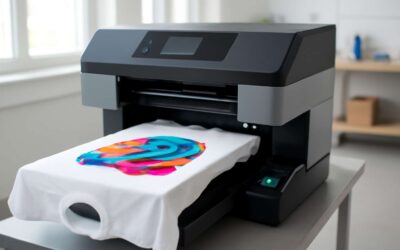
What is an A3 t-shirt printer
South Africa’s online apparel market is riding a 28% year-over-year surge, and the secret sauce is accessible, precise tech behind the t shirt printing machine a3. Understanding A3 Size T-Shirt Printing Technology begins with the idea that a compact print area can deliver gallery-quality detail on everyday tees.
An A3 print area—roughly 297 by 420 millimeters—strikes a balance between design freedom and affordable throughput. I’ve watched designers push bold gradients and crisp typography on standard shirts without risking overreach.
- Versatile for small runs
- Lower equipment footprint
- Faster setup times
For South Africa studios, that translates into a reliable workflow under budget, with the same A3 setup remaining a practical choice for custom runs and local demand.
Core technologies powering A3 t-shirt printers
South Africa’s online apparel market is riding a 28% year‑over‑year surge, and the quiet engine behind that rise is the t shirt printing machine a3—compact, precise, endlessly adaptable.
At the heart of A3 printing technology lies a quartet of core technologies that reconcile speed with salience. Precision print heads lay down gradients with newsroom clarity; color management aligns hues with ICC profiles; white underbases ensure vibrant color on dark fabrics; platen and substrate handling reduce misregistration.
- Precision droplet control for crisp gradients
- ICC-based color management for consistent hues
- White underprint strategies that pop on dark fabrics
- Robust platen handling to keep misalignment at bay
For South Africa studios, these innovations translate into gallery-grade tees from small runs to on-demand batches, with a modest footprint and quick setup. The workflow remains a practical edge in local demand and pride.
Benefits of A3 size for small-to-medium apparel runs
South Africa’s on-demand tee culture is accelerating, with a 28% year-over-year surge in online apparel. The t shirt printing machine a3 sits at the heart of this shift, offering a compact, precise option that scales from single designs to small runs without crowding your studio!
That frame size makes for a tangible balance between detail and throughput.
- Flexible run sizes for bespoke batches
- Vibrant colour on a wide fabric range
- Minimal setup time for quick changeovers
For South Africa’s studios, the appeal lies in consistency, reliability, and a footprint that fits in a corner office or a garage workshop. As demand grows, the A3 format quietly handles the pressure.
Popular use cases for A3 print capability
Across South Africa’s on-demand tee culture, online apparel surged 28% year over year, turning studios into nimble workshops. The t shirt printing machine a3 sits at the center, a compact engine that turns ambitious designs into ready-to-wear without crowding a corner studio!
Understanding the A3 footprint means spotting how flexible print heads, precise color handling on cotton and blends, and dependable changeovers converge into real-world reliability. I’ve seen studios morph tiny spaces into creative hives, proving this tech is as much about mindset as machinery.
- Small bespoke batches for local brands and limited releases
- Proofing and rapid iteration for events and campaigns
- In-store customization and on-demand merch for pop-up shops
These use cases illustrate why the A3 format thrives in South Africa’s studios, blending artistry with practical throughput and a touch of entrepreneurial spirit.
Choosing the Right A3 T-Shirt Printing Machine
Key specifications to compare (print area, resolution, speed)
Turnaround is the new currency in custom apparel, and the right t shirt printing machine a3 can turn hours into minutes. A recent industry pulse says 70% of buyers vanish after a two-day wait, making every second count. When selecting an A3 printer, three specs steal the spotlight: print area, resolution, and speed.
These metrics aren’t vanity figures—they shape what you can offer as a shop in South Africa, from bold chest prints to fine details on heathers. Consider the print area to ensure designs fit your typical garment sizes, check the resolution for crisp gradients, and compare speeds to keep up with demand.
- Print area
- Resolution
- Speed
Choosing the t shirt printing machine a3 means weighing how much wall space, ink costs, and service support align with your local workflow.
Direct-to-Garment versus transfer options at A3 size
In a market where 70% of buyers vanish after two days, speed defines success, and the t shirt printing machine a3 opens a doorway between direct-to-garment ingenuity and transfer practicality, especially at A3 size. South African studios crave crisp detail, bold color, and reliable uptime to stay ahead of demand.
Direct-to-Garment yields a soft hand and true gradients on cotton, with minimal setup for artwork. Transfers offer budget-friendly options for blends and bold graphics when capacity is tight, though layers may feel stiffer on fabric.
- Direct-to-Garment: soft feel, wide color range
- Transfers: lower unit cost for complex designs
- At A3: balance ink use and pre/post care
Weigh wall space, ink consumption, and local support when you select this A3 device, mapping the path from design to wearer with grace.
Budgeting and total cost of ownership for an A3 printer
Across South Africa’s boutique studios, 58% of micro-run orders miss deadlines when a printer stalls. The real cost isn’t the sticker price—it’s downtime and momentum lost. For the t shirt printing machine a3, budgeting begins with a ledger that includes consumables, maintenance, and service windows, not just the upfront cost.
- Upfront purchase price and financing terms
- Consumables, ink per shirt, and yield
- Maintenance, parts availability, and local support
- Energy use and expected downtime during peak periods
Viewed through this lens, the ideal device balances capability with cost, ensuring reliable uptime during South Africa’s busy seasons without swelling overhead. The t shirt printing machine a3 becomes a steady partner in turning design into wearable voice, not a money pit!
Optimizing Workflow and Performance with an A3 Printer
Setup and calibration steps for consistent results
Consistency is the quiet engine behind every vibrant tee. ‘A great print begins before the first color hits the fabric,’ a Cape Town printer likes to say. With the t shirt printing machine a3, setup becomes a brushstroke of precision, guiding each run toward dependable color and calm margins.
Optimizing workflow means aligning input, platen, ink, and timing in a single, mindful rhythm. The t shirt printing machine a3 shines when calibration is treated as a daily ritual rather than a chore—profiles harmonize, platens stay true, and waste drifts toward near zero.
To reflect the core facets of calibration and workflow, consider these high-level pillars:
- Color fidelity and profile management
- Substrate alignment and platen consistency
- Output verification and maintenance cadence
South African studios discover that the A3 format invites bold creativity with economy—an invitation that meets with steady hands and ready eyes.
Ink, substrate compatibility, and media recommendations
Workflow, when done right, feels like a quiet symphony—precise and a touch cheeky. I love the t shirt printing machine a3 for keeping ink behavior steady as fabric moves through, turning potential chaos into a calm color parade.
Ink performance hinges on substrate compatibility and consistent media handling. With an A3 setup, I prioritise inks that flex with cotton and cotton blends while preserving brightness on darker fabrics, so colors stay true from run to run.
Media recommendations sit at the intersection of stability and practicality.
- 100% cotton tees with pre-treatment
- Cotton-poly blends for durability
- Light to dark fabrics with appropriate underbases
This mindful mix helps SA studios keep margins steady and prints vibrant.
Software, RIPs, and color management for A3 printing
Color moves with the quiet thunder of a drumbeat, and South African studios report up to a 25% faster turnaround when workflow aligns with RIP-driven color discipline. The t shirt printing machine a3 thrives on a rhythm where software keeps ink behavior steady as fabric slides through, turning potential chaos into a calm parade of shade.
Optimizing means smart printer software, capable RIPs, and precise color management. They linearize ink output, manage ICC profiles for cotton and blends, and ensure consistent underbases. Soft proofing previews outcomes before a single drop hits fabric.
- ICC profiles tailored to fabric type and ink set
- Soft proofing for on-screen color validation
- Device-link workflows for smooth cross-media conversions
That disciplined workflow helps SA studios keep margins steady and colors bright, run after run.
Automation and finishing tips to boost productivity
Productivity isn’t luck—it’s a disciplined rhythm between automation and finishing. In South African studios, a t shirt printing machine a3 proves this: when feed, cure, and cycle stay in tempo, chaos becomes a calm parade of shade.
Optimizing workflow means smart software paired with dependable RIP discipline and streamlined queuing. The machine shines when every stage aligns, reducing wait times and preserving consistent underbases across runs.
Finishing is the last mile of the race—where quiet discipline either hides or hollers.
- Consolidated prepress rituals as reliability markers
- Standardized finish settings as a language of consistency
- Color and cure timing evaluated in batches as a quality compass
In this cadence, margins hold steady and production becomes a confident rhythm rather than a gamble.
Maintenance routines to maximize uptime
In a busy SA studio, uptime is currency. The t shirt printing machine a3 thrives when maintenance becomes a rhythm, not a reaction. Consistent checks keep feed, cure, and cycle in tempo, translating into fewer misprints and more on-time orders.
Key maintenance routines to maximize uptime include:
- Regular printhead health checks and nozzle cleaning
- Routine bed and platen alignment reviews
- Periodic firmware and RIP discipline updates
- Curing unit inspection to prevent heat hotspots
When these routines are embedded in the daily workflow, downtime drops and throughput climbs, keeping production on track and meeting client timelines.
Practical Guidance: Maintenance, Troubleshooting, and Trends
Routine maintenance and common issues troubleshooting
Action beats in the studio: every minute the t shirt printing machine a3 spends idle is a missed order. “Maintenance is momentum,” a line I keep on the wall of our South Africa workshop to remind us that care today saves crunch tomorrow. Routine checks keep colors crisp and edges sharp.
- Print head and nozzle health to prevent streaks or ghosting
- Ink viscosity and drying behavior to avoid skips
- Sensor calibration and belt tension for consistent bed movement
- Stable environment: steady temperature and clean air to protect pigments
Trends are reshaping maintenance philosophy: remote diagnostics, modular heads, and cloud-based color management are empowering faster turnarounds for t shirt printing machine a3. In South Africa, small studios lean into on-demand inks and smarter RIPs to stay vibrant and competitive.
Troubleshooting color, adhesion, and curing problems
In South Africa, the t shirt printing machine a3 isn’t simply gear—it’s a pulse of potential that stalls when left idle. “Maintenance is momentum,” I tell the crew, stapled above the door; care now saves crunch tomorrow and keeps beds lined with color.
Troubleshooting color, adhesion, and curing problems begins with surveying the basics: ink viscosity and drying behavior, print head health, and substrate compatibility. When shadows streak or edges ghost, check how pigments move through the system and how heat flows through the curing stage.
- Color consistency and pigment behavior across batches
- Adhesion performance between print and fabric
- Curing uniformity and heat management during yield runs
Trends are reshaping maintenance philosophy: remote diagnostics, modular heads, and cloud-based color management empower faster turnarounds for the t shirt printing machine a3. In SA, studios lean into on-demand inks and smarter RIPs to stay vibrant and competitive.
Choosing inks and consumables for longevity
In South Africa, uptime isn’t a luxury—it’s a craft. Studios report up to 30% fewer interruptions when longevity is baked into every choice, from inks to consumables, turning each shift into a smooth, color-rich voyage.
Practical guidance starts with the essentials—inks compatible with the t shirt printing machine a3, matched to fabrics and heat schedules. Remote diagnostics, modular heads, and cloud color management are reshaping maintenance into a proactive, predictive routine.
- Ink formulations proven compatible with the machine and challenging fabrics.
- Pigment stability for batch-to-batch color consistency across long runs.
- Durable curing agents that deliver uniform heat and avoid scorching.
- Vendor support and readily available spare parts to keep lines flowing.
Trends in SA hint at faster turnarounds—remote diagnostics, modular heads, and cloud-managed color workflows that keep hues faithful across runs. The aim is vibrant, repeatable results with fewer surprises on busy days.
Emerging trends in A3 t-shirt printing technology
In the fast lane of SA studios, uptime is currency and craft rolled into one. Maintenance for the t shirt printing machine a3 becomes a quiet ritual—watching the machine’s heartbeat, noting odd vibrations, and trusting vendor support before a fault dawns. Remote diagnostics, modular heads, and cloud color management are reshaping maintenance into a proactive, predictive routine that keeps shifts smooth.
When trouble does appear, the aim is swift, unobtrusive triage: firmware fault codes, spare parts on hand, and a network of regional service partners who know the machine intimately. For operators of the t shirt printing machine a3, resilience hinges on optimistic compatibility—inks, curing profiles, and substrates that stay stable under pressure.
Emerging trends in South Africa point to a new tempo: remote diagnostics pinging thresholds in real time, modular print heads swapping roles on demand, and cloud color workflows that lock hues across long runs.


0 Comments