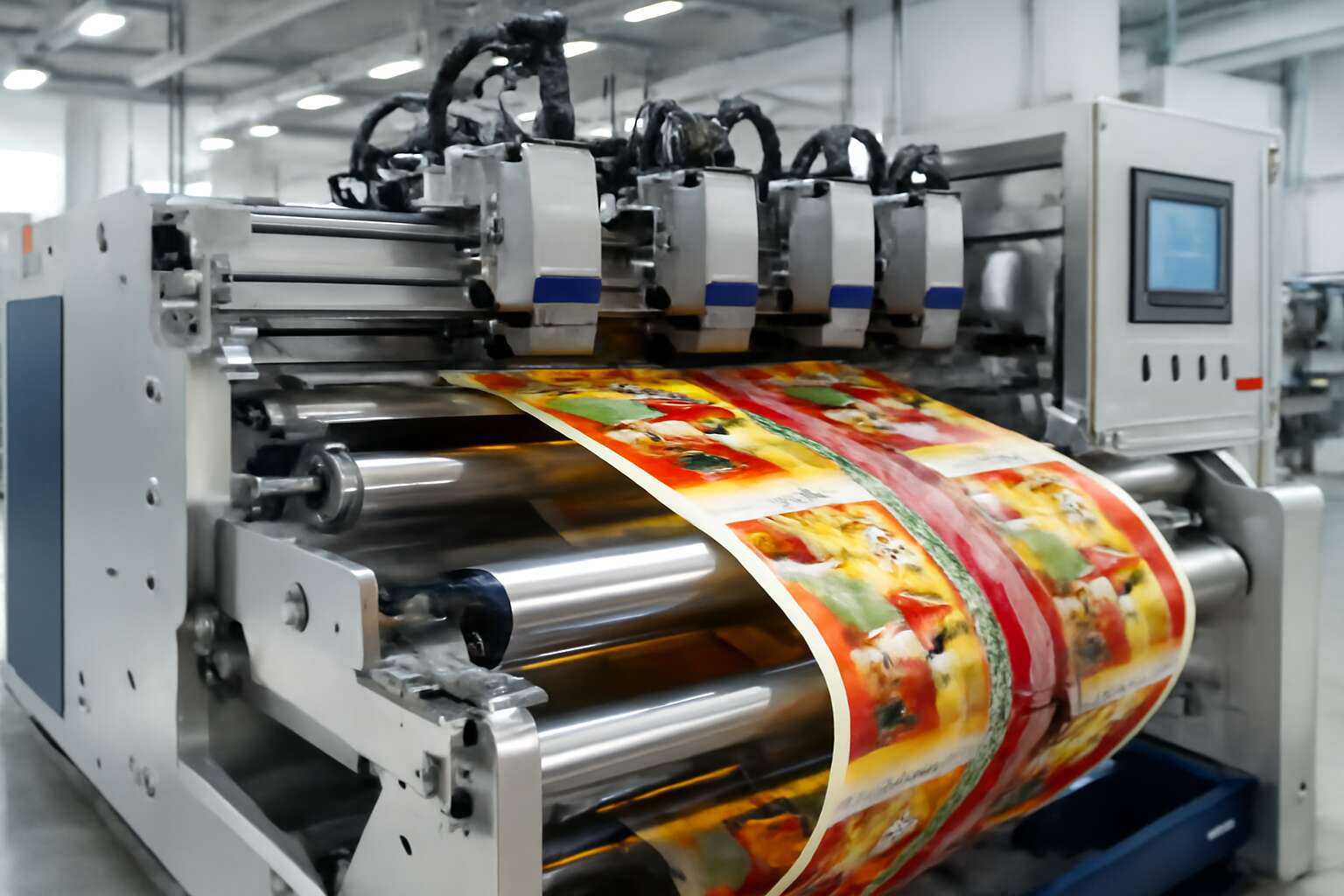
Overview of Packaging Printing Technologies
Types of packaging printing methods
In South Africa’s bustling retail landscape, the right packaging makes a product’s first impression last—sharper colors, crisper text, and safer seals can boost shelf performance by up to 25%. A packaging printing machine brings that magic to life, weaving artistry with precise registration across substrates from cardboard to film.
- Flexographic printing: fast, versatile on flexible packaging and labels, solvent and water-based inks.
- Rotogravure (gravure): high-detail, premium aesthetics for long runs of wrappers and blister packs.
- Digital printing: cost-effective for short runs and customized artwork, quick changeovers.
- Offset lithography: color accuracy and consistency for flat sheets and large labels.
These technologies map to packaging printing machine choices for brands and contract printers—balancing run length, substrate compatibility, and color fidelity. South African manufacturers benefit from local support networks and compliant inks that meet food-safe standards while maintaining vibrant, durable outcomes.
Key machines and components
In South Africa’s crowded shelves, a packaging printing machine makes a product leap from notice to necessity, turning vivid color and crisp text into consumer confidence. Shelf performance can rise by as much as 25% when print quality aligns with brand storytelling.
At the core, a packaging printing machine is a symphony of units: ink management, web handling, and precise registration. The system’s core components include impression cylinders, plate or digital imaging modules, and transfer rollers, all fed by dampening and ink systems, with drying or curing and color-control sensors ensuring consistency.
Key components include:
- Anilox rollers
- Doctor blades
- Drying/curing units
- Web tension sensors
These elements harmonize across cardboard and film, with local South African service networks and compliant inks that meet food-safety standards.
Substrates and inks compatibility
On South Africa’s crowded shelves, a packaging printing machine isn’t just ink on paper—it’s a signal flare that turns color into trust. Shelf performance can rise by as much as 25% when print quality aligns with brand storytelling, a truth I’ve witnessed from Cape Town to Gauteng.
Substrates and inks demand meticulous compatibility. The right pairing preserves gloss, texture, and legibility across formats. Consider these common substrates and ink families:
- Cardboard and paperboard
- Coated films (PET, PE)
- Laminate and foil structures
- UV-curable, water-based, and solvent inks
In South Africa, local service networks keep lines running, inks meet stringent food-safety standards, and drying systems are tuned to regional conditions. The result is consistent color, solid registration, and dependable production across runs.
Print quality metrics and standards
Seven seconds—it’s all the time a shopper needs to read a pack’s first impression. The packaging printing machine stands at that threshold, turning color into trust across South Africa’s crowded shelves. This overview traces how modern systems marry speed, accuracy, and consistency, weaving ink discipline with substrate behavior and smart quality checks.
Quality metrics and standards guard brand integrity. Color fidelity, registration, and dot gain determine shelf performance, while gloss, legibility, and drying stability survive the stack and glare of finishes. Inline sensors and ICC profiles tighten variance, turning variability into repeatable results.
- Delta E targets and profile management
- Registration control and trapping
- Drying, adhesion, and gloss consistency
In South Africa, the packaging printing machine ecosystem thrives with local service networks and brand-driven color targets guiding production.
Industry applications and use cases
On South Africa’s crowded shelves, seven seconds decide the verdict of a brand. The packaging printing machine sits at that threshold, turning color into trust and packaging into promise. Modern workflows blend speed with accuracy, delivering consistent results across substrates, while inline sensors and color-control loops tighten variance.
- Beverage and snack campaigns with rapid promos and short runs
- Cosmetics and personal care packs needing high gloss and precise color
- Pharmaceuticals and nutraceuticals requiring strict label accuracy and traceability
Across South Africa, local service networks and brand-driven color targets turn this technology into a practical force—capturing efficiency, reducing waste, and keeping timelines intact. It becomes a steady partner in storytelling, sharpening shelf presence without sacrificing reliability.
Printing Equipment and Capabilities
Digital versus offset versus flexographic packaging printing
A single, well-printed label can steer a shopper before they even notice the product story. “Print is the window of a product,” says a Durban-based packaging technologist, and today the packaging printing machine lineup proves that window can glow or dim in an instant.
Digital, offset, and flexographic systems each tell a different story about speed, waste, and substrate versatility. Here’s a quick sense of what they bring:
- Digital: on-demand runs, minimal setup, and data-driven customization
- Offset: rich color depth and consistent gradients for large volumes
- Flexographic: broad substrate tolerance for film, foil, and label stock
For a South Africa–oriented portfolio, these capabilities translate into bespoke solutions that fit boutique brands and major retailers alike, with color management and press-room efficiency in sharp focus.
Print resolution and color capabilities
Shoppers form first impressions in seconds, and labels often steer the rest of the story. A recent study found that bold, legible packaging can influence purchase decisions in under two seconds. That urgency pushes packaging lines to pair speed with precision, turning every label into an invitation!
Print resolution and color capabilities define how faithfully a brand’s story travels from press to shelf. High-resolution imaging, tight dot gain control, and expansive color gamuts—especially CMYK plus spot hues—ensure gradients stay smooth across cartons and labels.
- High-resolution imaging up to 1200 x 1200 dpi
- Wide color gamut with consistent gradients
- Spot color accuracy for Pantone matches
- Substrate-friendly inks with reliable drying times
For South Africa’s diverse packaging landscape, choosing a system that balances image fidelity with print speed matters. The right packaging printing machine can glow on the shelf, telling a story that resonates with rural and urban shoppers alike!
Illustration and text legibility requirements
First impressions last in under two seconds, and packaging is the showroom. A packaging printing machine delivers crisp type and bold color so labels read like a sales pitch in two seconds flat—no excuses, no smudges. Crisp text and legible graphics aren’t just nice-to-haves; they’re the difference between a shelf unicorn and a forgotten flyer.
In practice, legibility requirements demand high-contrast type, sensible font choices, and minimum sizes that survive the package’s journey from factory to fridge. That means reliable ink drying, smear resistance, and coatings compatible with diverse substrates. The result is branding that stays legible under store lighting, warehouse glare, and the occasional rogue shopping cart across South Africa’s diverse shelves.
- Sharp edge definition and stable gradients across substrates
- Color consistency that tracks brand hues run to run
- Barcodes and copy that scan cleanly at checkout
Speed, throughput, and batch sizes
On a factory floor, speed isn’t vanity—it’s survival. A packaging printing machine negotiates web tension, delivers crisp type and bold color, and dries in line, turning blank stock into shelf-ready packaging at a confident tempo. Throughput becomes the daily heartbeat, whether chasing short runs or planned shifts. Batch sizes vary from small bespoke jobs to full-scale productions, where automation keeps quality steady without slowing the line.
- Fast makeready and rapid changeovers to keep lines moving
- Reliable drying and smear resistance across substrates
- Inline inspection and color tracking to minimize waste
Across South Africa’s diverse stores, lighting, humidity, and shopper tempo test every label. The packaging printing machine must hold color fidelity, edge sharpness, and legibility from factory door to fridge shelf, proving that performance and resilience go hand in hand.
Automation and material handling
Speed, accuracy, and a quiet hum of reliability—that is what a packaging printing machine offers when it becomes the backbone of a factory floor. It negotiates web tension and inks with calm authority, delivering crisp type and bold color while the line breathes in steady rhythm. Automation translates intention into throughput, turning blank stock into shelf-ready packaging!
Within the machine’s crown, automation and material handling orchestrate changeovers, keep waste minimal, and protect uptime. Servo-driven feeders pace line speed; inline drying locks in color; modular transfer carts glide substrates between stations with surgical precision.
Across South Africa, humidity and shopper tempo test the line under varying conditions. A robust, serviceable design and local support keep color fidelity, legibility, and edge sharpness from factory door to fridge shelf.
Materials, Substrates, and Ink Systems
Substrate compatibility and coatings
The substrate you choose writes the first impression—color, texture, and what survives the journey, especially for South Africa’s demanding markets. The right materials transform a job from ordinary to enduring, especially on a packaging printing machine.
Substrates and coatings determine ink holdout, gloss, and barrier properties. When compatibility is misjudged, delamination and dullness betray the brand promise.
- Rigid films
- Flexible laminates
- Paperboard
Ink systems require surface energy alignment, proper drying, and UV/LED considerations. Coatings can boost scratch resistance and moisture barriers without sacrificing run speed.
In the end, materials are not background—they are the architecture of trust, speaking before the text!
Inks, curing methods, and sustainability
Materials choice isn’t cosmetic; on a packaging printing machine it determines durability, color retention, and travel-ready performance. Ink systems demand surface energy alignment and proper drying, with UV or LED curing shaping speed and waste. In South Africa, the intersection of sustainability and cost informs every selection!
Substrates matter: rigid films, flexible laminates, paperboard. Coatings boost ink holdout, gloss, and moisture barriers without slowing run speed.
- Rigid films
- Flexible laminates
- Paperboard
Ink systems must match surface energy and drying schemes; UV/LED options influence cure speed, energy use, and substrate compatibility.
Sustainability echoes through materials choices: low-tox inks, recyclable packaging, and efficient curing reduce waste and emissions in the life of the packaging printing machine.
Lamination and finishing options
Materials selection isn’t cosmetic; it defines durability, color retention, and travel-ready performance. As one designer puts it, “durability is the quiet ambassador of good design.” In South Africa, sustainability and cost shape every choice, prompting blends of resin, pigment, and binder that balance strength with responsibility.
Substrates range from rigid films to flexible laminates and paperboard, with coatings boosting ink holdout and moisture barriers.
- Rigid films
- Flexible laminates
- Paperboard
Ink systems must align surface energy and drying; lamination and finishing options—coatings, UV/LED cure, and barrier films—drive gloss, holdout, and moisture protection. For the packaging printing machine, UV/LED curing shapes speed, energy use, and substrate compatibility.
Waste reduction and VOC compliance
Materials selection isn’t cosmetic; in a South African print shop, a durable resin-pigment-binder blend defines color fidelity and travel-ready performance. A well-tuned packaging printing machine balances strength with responsible choices, delivering on both finish and footprint!
Substrates span rigid films, flexible laminates, and paperboard. Coatings boost ink holdout and moisture barrier, while coatings and lamination choices influence gloss and scuff resistance. The choice shapes real-world performance in a market hungry for sustainable packaging.
Ink systems must meet surface energy and drying demands; UV/LED curing accelerates throughput and cuts energy use, aligning with VOC compliance. Waste reduction comes from optimised ink use, shorter cure paths, and solvent-free formulations—critical for SA’s environmental commitments.
- Use closed-loop cleaning and recycling to reduce solvent waste
- Choose low-VOC or VOC-free inks and coatings
- Maximise substrate yield with precise registration and minimal make-ready
Implementation, ROI, and Maintenance
Total cost of ownership and long-term savings
“Packaging is the silent salesperson,” and a packaging printing machine is its engine. Implementation starts with a clean workflow and real-world operator training. In South Africa, reliable changeovers and quick setup win tight deadlines and keep lines moving!
ROI is tangible: faster throughput, better color control, and less waste. Key drivers include:
- Shorter changeovers
- Material waste reduction
- On-demand customization
Maintenance and total cost of ownership matter as much as price. A robust service plan keeps the packaging printing machine productive with predictable energy use and spare parts. Long-term savings come from reduced downtime and steadier production costs.
Maintenance requirements and spare parts
“Quality is never an accident,” a veteran pressman once quipped, and it sticks on the shop floor. Implementation hinges on a clean workflow and real-world readiness, so the packaging printing machine can sing rather than sulk. In South Africa, teams aligned and downtime planned keep deadlines intact.
ROI shows up as faster cycles, tighter color, and less scrap. The payoff is tangible in a few key areas:
Maintenance and spare parts matter as much as the sticker price. A robust service plan keeps the equipment productive with predictable energy use and readily available spare parts. In the long run, reduced downtime and steadier production costs seal the deal.
Installation and training programs
Implementation for a packaging printing machine hinges on more than setup; it requires line readiness and clear roles. In South Africa, staged commissioning—on-site checks and real-time adjustments—keeps the production flowing from batch one.
ROI shows up as faster cycles, tighter color, and less scrap. Key gains come from shorter changeovers, steady energy use, and tighter process control.
- Shorter changeover times
- Steady energy use
- Less scrap through tighter control
Maintenance Installation and training programs complete the equation, giving operators solid onboarding, practical coaching, and ongoing support for the packaging printing machine on busy days.
Upgrades and lifecycle management
Across South Africa, staged commissioning for a packaging printing machine is more than a step—it’s a safeguard against downtime. A plant recently cut first-quarter changeover time by 23%. “Every minute matters,” a supervisor says, and the line responds with real-time tweaks.
Implementation goes beyond setup: it aligns teams, clarifies roles, and builds a feedback loop. When the packaging printing machine comes online with on-site checks, production flows from batch one with steady quality.
ROI shows up as faster cycles, crisper color, and lower scrap. Gains come from smoother changeovers, steadier energy use, and tighter process control.
Maintenance upgrades and lifecycle management complete the picture. A structured onboarding, ongoing coaching, and proactive support keep operators sharp on busy days.
- Spare parts strategy and on-site stocking
- Predictive diagnostics and remote monitoring
- Lifecycle documentation and performance reviews
That quiet reliability defines tomorrow’s future.

0 Comments