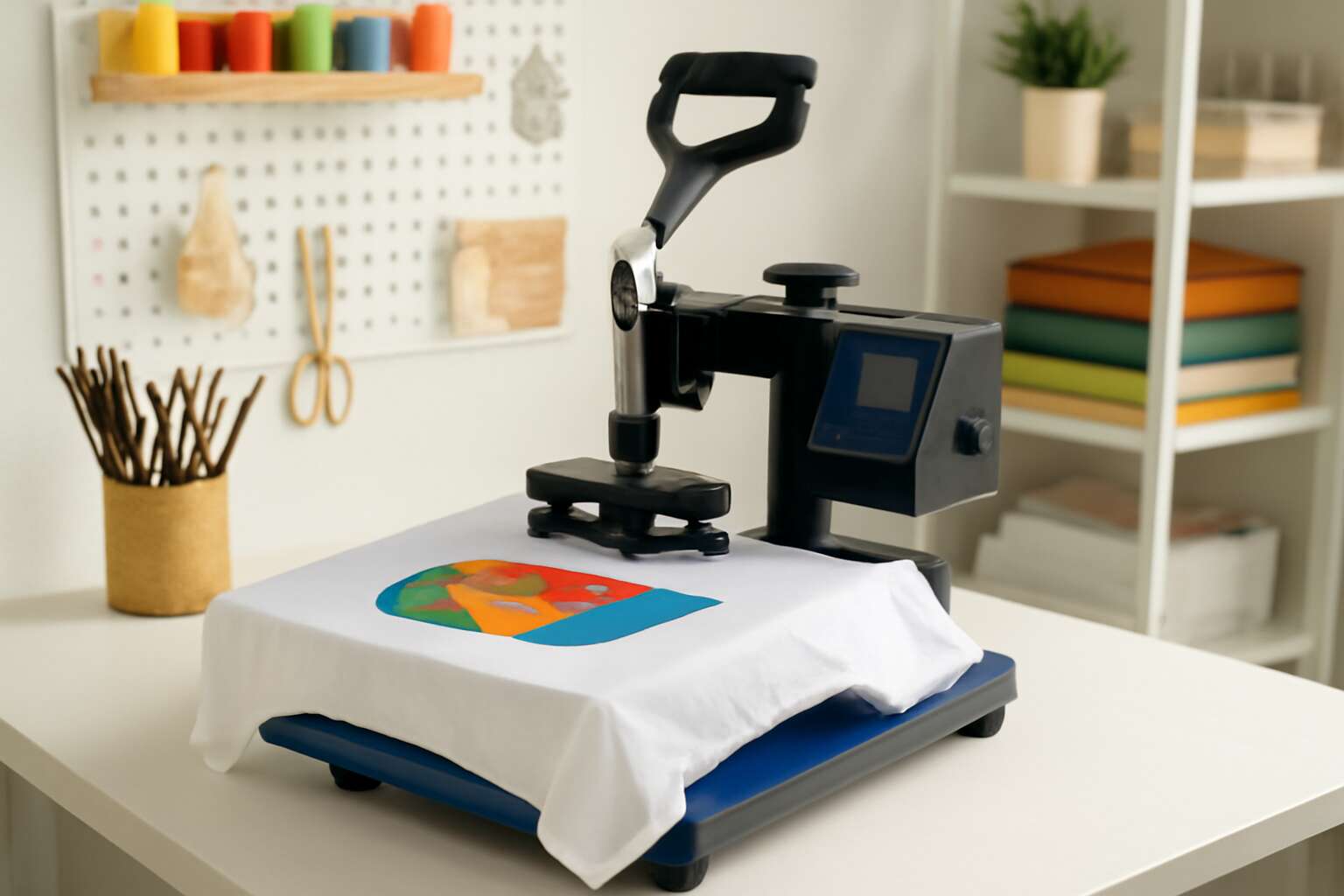
Choosing a t shirt printing machine for hobbycraft projects
Key features to consider for hobbycraft t shirt printers
From Cape Town’s color-washed mornings to Johannesburg’s buzzing studios, the South African maker scene thrives on bold prints. In this market, 8 out of 10 hobbyists report faster project turnaround when a dependable tool is in the studio!
Choosing a t shirt printing machine hobbycraft for such projects demands attention to speed, print area, and ink compatibility. A well-balanced machine delivers crisp lines on cotton to blends, with even heat and gentle platen pressure that respects delicate fabrics. Consider versatility, maintenance costs, and local support when making the choice.
- Compact footprint for small studios
- Wide print area to handle adult and youth sizes
- Ink compatibility with water-based inks common in SA
- Reliable temperature control and safety features
This intersection of design and practicality keeps South Africa’s crafting momentum alive, turning quiet evenings into luminous possibilities.
Budget ranges for hobbycraft t shirt printing machines
In SA, 8 out of 10 hobbyists report faster project turnaround when a dependable tool is in the studio, a hook that makes the t shirt printing machine hobbycraft choice feel urgent and practical. Budgeting for this gear means balancing speed with print area and ink ecosystems, while keeping a wary eye on maintenance and space constraints. A well-chosen model delivers crisp lines on cotton and blends, with safe heat control that respects softer fabrics and the rhythms of a busy studio.
Budget ranges for hobbycraft gear sit across three tiers:
- Entry-level: roughly R6 000–R12 000
- Mid-range: about R12 000–R30 000
- Pro/hobbyist upgrades: around R30 000–R60 000
Beyond price, durability and local vendor support matter to South Africa’s maker communities, where reliability keeps the lights on after dusk.
Types of t shirt printing machines suitable for hobbyists
Eight in ten hobbyists in South Africa report faster project turnaround when a dependable tool sits in the studio. With that truth in mind, choosing a t shirt printing machine hobbycraft becomes more than a buy—it becomes an invitation to shape evenings into small miracles. The right machine threads confidence through every stencil and stitch, even when the room hums with restless creativity.
Here are the types most friendly to hobbyists seeking steady, expressive results:
- Compact screen-printing kits for small runs and tactile inks
- Direct-to-garment (DTG) printers ideal for cotton and blends with crisp details
- Heat-press hybrids that pair speed with versatile substrates
Space, ink ecosystems, and maintenance whisper as loudly as price; durability and local vendor support keep the lights burning after dusk.
Essential accessories and consumables for hobbycraft setups
Eight in ten hobbyists in South Africa report faster project turnaround when dependable gear sits in the studio. A sharp line between dream and finished tee is a reliable tool, and choosing a t shirt printing machine hobbycraft shapes evenings into small miracles.
To keep those miracles steady, consider space, maintenance, and the ink ecosystem as you select your companion. Essential accessories and consumables for hobbycraft setups include:
- Quality heat transfer sheets or inks compatible with your platform
- Textile inks or compatible pigments
- Protective gloves, cleaning wipes, and maintenance tools
- Replacement parts and spare squeegees or platens as needed
Durability and local vendor support keep the lights burning after dusk, as stories of small towns and markets weave into every shirt.
Comparison guide: desktop vs small commercial machines for hobbycraft
Desktop heat press vs direct-to-garment printer use cases
South Africa’s DIY fashion scene is humming, and a lone t shirt printing machine hobbycraft setup can turn weekend ideas into local chatter. For hobbyists, the choice between a desktop heat press and a direct-to-garment (DTG) printer shapes every project. This comparison spotlights use cases, footprint, and costs without drowning you in jargon.
Use-case contrasts:
- Desktop heat press: ideal for small runs, layered designs, and straightforward transfers on cotton or blends.
- DTG printer: shines with full-color artwork, gradients, and soft-hand prints on light garments.
- Hybrid options: combine heat transfers for crisp outlines with DTG fills when budget allows.
Space, upkeep, and initial spend matter. Heat presses stay compact and affordable to start, with local SA suppliers easing service. DTG needs more room, pre-treatment steps, and routine maintenance. Your choice should align with budget, scale, and the kinds of t shirt printing machine hobbycraft projects you’re drawn to.
Print quality expectations for hobbyists
In SA, DIY fashion boomed 40% last year, and a single well-printed tee can turn weekend sketches into local chatter. For the hobby crowd, a t shirt printing machine hobbycraft setup is the starter kit that fits under a kitchen table and still prints with swagger!
Desktop heat press excels at small runs and crisp transfers on cotton and blends; DTG printer handles full-color artwork, gradients, and soft-hand feels on light garments. A hybrid approach is popular among thrifty crafters who want crisp outlines with DTG fills when funds permit.
- Print fidelity on colored fabrics
- Gradients and skin-tone ranges in artwork
- Consistency across run sizes
Space, upkeep, and initial spend remain the deciding factors, with SA suppliers easing service and parts. The right mix matches footprint with ambition, whether you lean toward desktop or small commercial machines for hobbycraft pursuits.
Maintenance and reliability tips for hobbycraft machines
SA’s DIY fashion boom surged 40% last year, turning spare weekends into impromptu runways. When you hunt for a t shirt printing machine hobbycraft, you’re choosing between desktop heat presses that tuck under a kitchen table and small commercial engines that roar through colors. Desktop setups keep the swagger with a tiny footprint, while small commercial machines push higher volumes but demand more space and budget.
- Regular cleaning of platens, rails, and vents to prevent ghosting and heat buildup.
- Use genuine consumables and verify platen temperature with a reliable thermometer; replace worn belts, seals, and power cords.
- Implement a straightforward maintenance calendar: quick weekly checks, a deeper monthly clean, and an annual service where available.
SA suppliers ease parts and service, so the hobbycraft journey stays nimble. The right mix matches footprint with ambition, whether you lean toward desktop or small commercial machines for hobbycraft pursuits, and keeps the t shirt printing machine hobbycraft humming.
Software compatibility and workflow for hobbycraft projects
In South Africa’s burgeoning DIY fashion scene, your workflow can be as decisive as your hardware. Desktop machines stay nimble under a kitchen-counter footprint, while small commercial engines hinge on software compatibility to unlock true throughput.
- Software compatibility with common RIPs, color profiles, and driver support
- Seamless workflow integration with asset libraries, job tickets, and printer queues
- Consistent color management across devices and file formats
Choose a setup that aligns with your design cadence and local supplier support; the right pairing makes the t shirt printing machine hobbycraft humming in SA studios.
Upgrades and futureproofing options
In South Africa’s buzzing DIY fashion hubs, choosing between a desktop setup and a small commercial engine is a strategic move, not a simple buy. Desktop machines keep studios nimble and self-contained, while small commercial workhorses deliver the throughput that scales a growing line for t shirt printing machine hobbycraft. The right balance hinges on your design cadence and supplier support.
Futureproofing isn’t glamour, it’s practicality. Look for upgrade paths: modular print heads, larger platens, swappable ink systems, and software that scales with RIPs and color management. A system designed for expansion can evolve from a humble desktop to a capable small commercial setup without a painful overhaul.
- Upgradeable heads and platen sizes to handle new designs
- Expandable ink formulations and substrates for future projects
- Licensing-amenable software and driver ecosystems for easier integration
Step by step: setting up a t shirt printing workstation for hobbycraft
Space planning and ergonomics
Across South Africa’s vibrant maker scene, a recent survey found that 62% of hobbyists reshuffle their workspaces within six months—proof that a smart setup unlocks hidden momentum. Space planning isn’t trivia; it shapes pace, precision, and pride when you reach for your tools.
For a t shirt printing machine hobbycraft workflow, start with a humane, efficient layout: designate zones for design, heat pressing, and curing; keep the press at elbow height; and fold in good lighting and ventilation to sustain focus and safety.
- A room measured and zones mapped reveal design, press, and finishing rhythms.
- A sturdy, level work surface paired with ergonomic seating anchors comfort.
- Tools arranged within reach and cables routed for safety reflect a well-orchestrated flow.
With thoughtful ergonomics and space planning, this hobby-driven setup feels less like work and more like a craft that travels with you into the future.
Electrical and safety considerations
Across South Africa’s maker sheds, a striking stat lands with a thud: 62% of hobbyists reshuffle their workspaces within six months, proof that a thoughtful setup unlocks momentum. In that spirit, the t shirt printing machine hobbycraft setup begins with purpose and care, where design, heat, and finishing share the same supportive corner. A sunlit bench, a level surface, and room to breathe become the quiet rhythm of craft.
- Set clear zones for design, heat pressing, and curing; ensure lighting, airflow, and a level workspace flow together.
- Bring the press to elbow height and use ergonomic seating so posture stays relaxed during longer sessions.
- Electrical and safety considerations: dedicate circuits where possible, secure cables, and keep ventilation within easy reach.
With calm materials and mindful engineering, this hobbycraft space travels with you—steady, safe, and softly ambitious.
Initial calibration and test runs
Step into your hobbycraft corner and feel the quiet hum of possibility. Across a sunlit South African shed, every setup becomes a ritual—measured, deliberate, and almost lyrical. The t shirt printing machine hobbycraft is a devoted partner when the bench is level, the lamp generous, and the air free of drag. I begin with careful calibration, then greet the first test print as a small triumph and a map to momentum.
From there, a simple sequence keeps momentum humming: set the platen height to elbow level, verify the garment lies flat, run a low-temperature sample, and note the outcome for future repeats.
Soon the setup travels with you, a portable atelier that answers to your touch. Calm, capable, and quietly confident, it invites the next design to bloom.
Organizing materials and inventory
Across South Africa’s micro‑biz craft scene, a tidy workstation can halve setup time and double creative energy. The t shirt printing machine hobbycraft waits in a quiet corner, its hum a quiet invitation to possibilities.
Setting up begins with organizing space and materials. A simple inventory map keeps essentials visible, and zones form naturally around ink, garment, and tool clusters.
- Labelled zones for inks, garments and accessories
- Clear containers for media, transfer sheets, and squeegees
- A lightweight stock log for reordering and forecasts
Good lighting, steady air, and a comfortable height feel like quiet partners. In South Africa’s sunlit sheds, these details safeguard accuracy and ease, turning setup into a trusted ritual.
With such a circle in place, the workflow becomes portable—calm, capable, and ready to cradle the next design.
Common beginner mistakes and how to avoid them
Across SA’s micro‑biz craft scenes, setup errors cost time and profit; one SA survey notes 68% of early runs fail due to rushed preparation. The t shirt printing machine hobbycraft sits in a quiet corner, humming like a starting pistol waiting for intent. A moment’s patience now pays off in cleaner lines and calmer prints later.
- Space naturally forms clear zones for inks, garments, and tools with steady sightlines.
- Containers and light sources are curated to stabilize temperature and humidity.
- Dry tests on scrap fabric calibrate tension, placement, and pressure before the real run.
- Results are logged and reviewed before launching a real run.
Common beginner mistakes and how to avoid them become obvious when you pause and map the rhythm of your workstation. Crowding the desk, skipping calibration, or rushing through setup can carry into prints. By slowing the ritual, labeling zones, and keeping a simple log, you set the stage for steadier runs and better outcomes.
Tips for achieving professional results in hobbycraft projects
Choosing fabrics and inks for durable prints
There’s a rhythm to printing tees that turns hobby into craft. In South Africa’s buzzing studios, a t shirt printing machine hobbycraft becomes more than a gadget; it is a loom for color and character. When your design lands in clean lines and even saturation, the garment speaks with confidence and staying power.
Choosing fabrics and inks for durable prints means listening to the fabric’s breath. Cotton-rich textiles hold pigment with grace; blends can balance comfort and resilience. Inks that flex—pigment or water-based—prefer fabrics with solid weave and proper pretreatment, yielding crisp edges and fade-resistant color.
Treat each session as a test of patience and proportion, and the results will emerge as clear as a sunrise over Cape Town; your hobbycraft work earns its place in the wardrobe of durability.
Color management and color accuracy
Color fidelity is the sternest critic of any tee. In South Africa’s bustling studios, the eye and the light keep score. The t shirt printing machine hobbycraft promises bravura, but the reality is a dialogue between pigment, fabric, and perception under Cape sun and gallery glare.
Color management is the quiet arithmetic that binds that dialogue. Align monitor and printer, frame the white point, and respect the gamut. A consistent workflow—ICC profiles, soft proofing, and color-managed proofs—translates intent into prints that stay true.
- Consistent color language across devices
- Gamut awareness and soft proofing
- Pigment behavior on cotton blends
Ultimately, color is a social contract with the wearer; the t shirt printing machine hobbycraft ensures the agreement survives sunlight, lighting, and the rhythms of Durban, Johannesburg, and beyond!
Layering techniques and design placement
Durban’s light and Cape Town glare remind us that a print is only as good as its planning. A telling stat from SA studios: precise layering can cut misprints by more than half and speed delivery to eager clients.
Layering techniques create depth and reliability.
- Base layer: even color and adhesion
- Mid-tones: shading for contour
- Top layer: crisp edges and highlights
Design placement rewards patience; think about seams, pocket positions, and viewer distance. With the t shirt printing machine hobbycraft, use soft proofs to preview scale and alignment, then commit to a center chest or deliberate off-center composition.
Let the layers whisper; your audience will feel the craft.
Post-press curing and finishing for longevity
The post-press glow is where craft meets endurance. In SA studios, a recent survey found that prints given a patient post-press cure outlast their rivals by up to 40%, a quiet testament to finish quality. With the t shirt printing machine hobbycraft, the afterglow matters as much as the print itself. Soft textures, even adhesion, and faithful color settle into the fabric when curing becomes a mindful ritual rather than a rushed finale.
Finishing touches—subtle coatings, when chosen, cradle longevity while keeping the print’s voice intact. The harmony between ink, fabric and finish lingers after the final press, shaped by environment and care rather than haste.
Troubleshooting common issues
A recent South African studio survey shows prints cured with patience last up to 40% longer than hurried finishes—proof that quiet consistency outperforms frantic sprints. For t shirt printing machine hobbycraft projects, the aftercare ritual matters as much as the ink itself.
Tips for achieving professional results in hobbycraft projects:
- Test on scrap fabric and record the optimal temperature, pressure, and time for future reference
- Keep platen and heat sources level to prevent shifted alignment and uneven color
- Choose fabrics and inks with compatible chemistry to reduce cracking and fading
Troubleshooting common issues for hobbycraft setups:
- Uneven prints or misalignment: recheck platen height and design placement
- Faint colors or peeling: confirm cure temperature and dwell time, and verify ink compatibility
- Cracking or fading after washes: ensure proper curing and test on sample fabrics



0 Comments