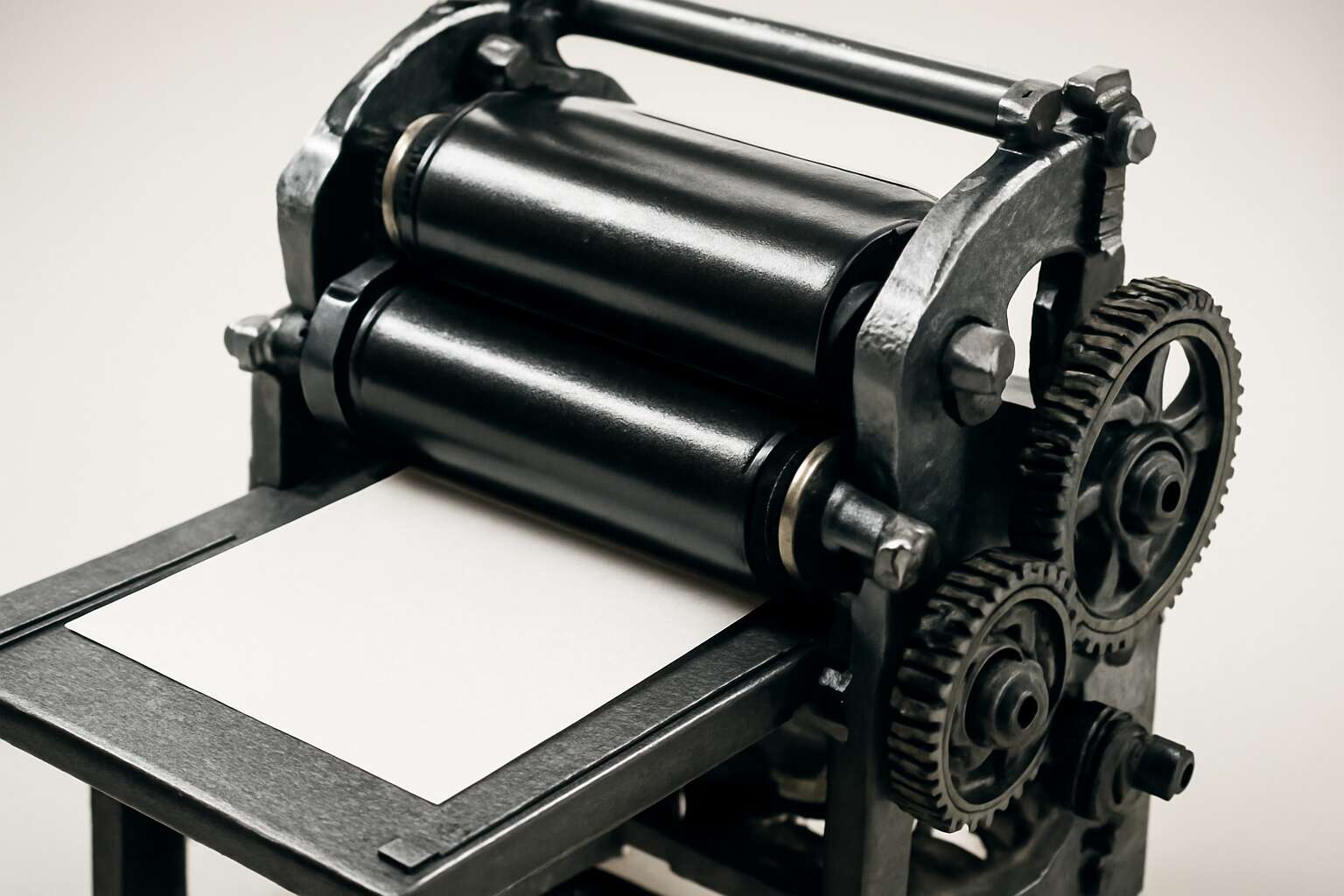
Printing system simulations: fundamentals
Definition and purpose of the model
In South Africa’s printing houses, a simple statistic speaks volumes: simulations that mirror the production line can cut bottlenecks by up to 20% and lift on-time delivery rates. Printing system simulations capture the dance of feeders, presses, and dryers in a digital mirror, turning chaos into clarity!
Fundamentally, a printing system simulation is a digital replica of the production line. It maps material flow, timing, and machine interactions. The purpose is to test changeovers, forecast throughput, and validate schedules before sheets hit ink. Often, teams refer to it as a printing machine working model—turning theory into a testable sequence.
Key modeling targets include:
- throughput forecasting and cycle-time estimation
- changeover and maintenance scheduling
- waste reduction and material flow optimization
In South Africa’s competitive market, these simulations help ensure every run counts.
Key terms and concepts
In South Africa’s print rooms, a single simulation can shave bottlenecks by up to 20% and push on-time deliveries across the finish line. The rhythm of feeders, presses, and dryers—once a blur—unfolds with precision when mapped digitally, turning chaos into clarity.
Printing system simulations are a digital replica of the production line, capturing material flow, timing, and machine interactions. This is the heart of the printing machine working model, built to test changeovers, forecast throughput, and validate schedules before sheets hit ink.
- throughput and cycle-time estimation
- changeover planning and maintenance windows
- waste reduction and material-flow optimization
- capacity validation and schedule forecasting
Key terms and concepts drift into view as you study the model: these ideas guide decisions, from tighter material flow to smarter maintenance windows, helping teams stay resilient in a crowded market.
Model scope and learning outcomes
In South Africa’s print rooms, a single simulation can turn chaos into choreography, lifting throughput by up to 20% and ensuring on-time deliveries hit the finish line. The buzz of feeders and presses settles into a steady rhythm when data guides the way, revealing bottlenecks before they bark loud enough to disrupt a deadline.
Printing system simulations function as a digital twin of the production line, capturing material flow, timing, and machine interactions. This is the heart of the printing machine working model, crafted to test changeovers, forecast throughput, and validate schedules before sheets hit ink.
Model scope and learning outcomes bridge the practical with the perceptive, turning operators into readers of flow rather than mere participants. The exercise trains teams to anticipate delays, align maintenance windows, and keep pace with a crowded market.
- Throughput and cycle-time estimation
- Changeover planning and maintenance windows
- Waste reduction and material-flow optimization
- Capacity validation and schedule forecasting
Differences between physical and digital simulations
Across South Africa’s print rooms, a single digital twin can shave days from a schedule and keep ink on time. Printing system simulations turn lines into responsive, data-driven partners, revealing how material flows and timing weave together. For many shops, a flexible model can be tested before a single sheet hits the press!
- Physical simulations require real materials and wear, slowing tests.
- Digital simulations run many scenarios quickly, reducing risk.
- Feedback lets teams compare outcomes and plan changes.
In practice, the digital route accelerates learning—thousands of what-if trials can be explored in hours rather than weeks. The physical route imposes tangible limits, reminding teams that real machines wear and materials behave unpredictably.
The printing machine working model stitches these lessons into a practical mindset; it lets teams anticipate bottlenecks, align changeovers, and read the rhythm of the line with studied confidence.
Benefits for training and design
Across South Africa’s busy print rooms, a single insight can recalibrate an entire shift. We’ve seen simulations shave changeover times by as much as 40%, turning clockwork into collaboration and fear into forecast.
Printing system simulations reveal the line’s pulse—the flow of stock, the cadence of ink, the rhythm of changeovers—through the printing machine working model. They train hands and minds to anticipate bottlenecks and to design with confidence before any sheet touches the press.
- Realistic practice without material waste
- Rapid scenario testing across variables
- Early validation of designs and changeovers
These fundamentals grant training and design a lasting clarity—where the line behaves as a patient partner rather than a stubborn machine.
Core components of a printing machine
Frame, housing, and mechanical structure
The frame is the spine of every print, a saying echoed in South Africa’s sunlit workshops where the press hums to life. The frame, housing, and mechanical structure form a triad that keeps speed honest and precision steady, even on long runs.
The frame and housing, forged from steel or advanced alloys, cradle the moving parts in defined geometry. The mechanical structure—gears, shafts, bearings—transfers motion with minimal play, aligning drive and transport to keep sheets true. Key virtues include:
- rigidity and precision
- stable alignment under load
- controlled damping of vibrations
In a printing machine working model, designers rehearse energy flow, anticipate wear, and teach operators to read the machine’s mood rather than chase flaws in real time.
Drive system and motors
A jagged moment in energy flow can fracture a print run before it leaves the rack. In a printing machine working model, the drive system and motors choreograph motion with such restraint that sheets glide true and timing never falters. Precision becomes a habit, not a stroke of luck.
Core components that translate intent into motion include servo or stepper motors, robust gear trains, and the resilient belts and couplings that bear the load. Encoders and feedback sensors close the loop, letting the controller correct drift in real time and keeping speed, torque, and position in harmonious balance.
As designers in bustling South Africa quietly map energy flow, anticipate wear, and read the machine’s mood—the hum, the tremor, the subtle whir of bearings—the printing machine working model becomes a living diagram of reliability under pressure.
Printing unit mechanisms
On South Africa’s busy press floors, a single misfeed can waste hundreds of metres of stock in hours. The printing machine working model choreographs every action so sheets glide true and timing never falters, turning potential chaos into reliable rhythm.
Core units include the transfer cylinder, the impression cylinder, and the dampening and inking systems. Paired with ink rollers, doctor blades, gear trains, and durable belts, they translate intent into motion. Encoders and feedback sensors close the loop, keeping speed and tone true.
- Ink inking system with rollers and fountain
- Doctor blade and metering roller
- Transfer cylinder and impression cylinder
- Dampening unit and fountain controls
- Bearings, belts, and couplings for smooth load
- Servo or stepper motors with encoders for precision
In the end, the printing machine working model becomes a living diagram of reliability under pressure.
Sensors and control interfaces
On South Africa’s bustling press floors, a single sensor glitch can cascade into hours of downtime. The core of the printing machine working model is not just gears and belts but a quiet chorus of sensors and control interfaces that keep every cycle honest. They translate human intent into precise data, letting operators sense tension, temperature, and timing in real time.
Core sensors include:
- Optical sensors for page presence and misfeed detection
- Web tension and nip sensors to protect substrates
- Temperature, dampening pressure, and ink consistency sensors
- Encoders and closed-loop position sensors on rollers and drives
- Human-machine interface (HMI) panels and PLCs for intuitive control
These interfaces allow proactive maintenance and smoother changeovers, aligning human judgment with machine cadence. In South Africa’s competitive market, that alignment saves material and time—the printing machine working model proving its value every shift.
Safety features and guarding
On South Africa’s busy print floors, downtime can spiral fast—one failed guard can stall an entire shift. In the printing machine working model, safety features aren’t afterthoughts; they are the quiet guardians that keep every cycle honest and on cadence.
Core safety features and guarding protect operators and substrates alike, weaving protection into the machine’s rhythm. A thoughtfully designed guard system reduces risk at nip points, guards moving components, and ensures access-only when the system is safe to interact with. The aim is seamless work, where urgent changes don’t become costly delays.
- Robust guarding with welded frames and interlocks
- Interlocked access doors to prevent cycling during maintenance
- Emergency stop devices reachable from all angles
- Light curtains or presence-sensing devices for danger zones
When guarding aligns with control interfaces, I’ve seen maintenance flow more smoothly and shifts stay productive—proof that protecting the people and the process preserves the line’s cadence in South Africa’s competitive market.
Material handling and waste management
Across South Africa’s print floors, downtime from jams and misfeeds can shave up to 15% from daily output. In the printing machine working model, our team designs core components that tackle material handling and waste management with quiet efficiency, keeping lines moving and operators focused.
Material handling in this model means smooth movement from paper infeed to finished sheet. Think conveyors, pallets, stackers, alignment guides, and gentle grippers that cradle substrates without causing edge damage.
- Conveyor belts and roller paths
- Palletisers and stackers for orderly piling
- Feeding and take-off guides for consistent registration
- Automated binning and scrap routing
- Waste and solvent handling streams
On the waste side, dedicated chutes and bins separate scrap, with a clear path for recycling fibers and spent chemicals. The result is a cleaner floor, fewer setup changes, and a rhythm that respects both people and paper on South African shops.
Designing a practical working model
Requirements and materials list
A promising statistic catches the eye: prototype-first thinking can shorten design cycles by as much as 40%, a truth that makes the concept of a printing machine working model feel less like wizardry and more like careful choreography, a truth borne out in South African engineering labs.
When outlining the requirements, aim for a compact, user-friendly footprint, straightforward assembly, and robust safety measures. The following essentials keep the project grounded and repeatable:
- Workbench-friendly dimensions and accessible access points
- Modular components for quick swaps and upgrades
- Non-toxic materials and clear labeling for safety
- Consistent measurement references and alignment guides
Core materials span a light alloy or acrylic frame, reliable fasteners, a compact drive or pneumatic system, basic control electronics, and a simple power supply. With these, a convincing printing machine working model emerges—ready for hands-on exploration and thoughtful critique.
Building the frame and chassis
The frame, sleek as a blade of SA savanna light, anchors the printing machine working model with quiet authority. A frame built from light alloy or acrylic carries the promise of stiffness without bulk, while a chassis of neatly joined members holds true through repeated cycles. Precision begins here, where mounting plates align with a whisper and every face is square to the core axis; the eye catches straight lines even before a tool is lifted.
Designers translate ambition into form, and the frame’s skeleton should breathe with modularity and steady alignment. For practical flow, consider these frame-building touchstones:
- Modular cross-members that swap with minimal fuss
- Accessible service panels for quick inspection and safety checks
- Controlled tolerances to sustain alignment through cycles
Finish matters as much as function—clear labeling, safe guarding, and a restrained coating that resists wear. When built with care, the frame becomes a stage where the rest of the mechanism can perform with confidence.
Integrating drive and timing systems
Across South Africa’s precision shops, uptime of production lines can jump by as much as 42% when the drive and timing systems sing in lockstep. A printing machine working model does more than spin gears—it becomes a conductor, guiding every cycle with quiet authority and a hint of awe.
It begins with a tightly integrated drive train and encoder feedback that keeps the motion of the printing unit aligned to the master clock. Timing pulleys, anti-backlash nuts, and servo controllers fuse to deliver repeatable cycles, while a tuned controller dampens vibration—so the model breathes and prints with a trustworthy rhythm.
- Drive harmonization and encoder feedback
- Precise timing and backlash control
- Synchronized control interfaces
Installing the printing module
Across South Africa, uptime in precision shops can jump by as much as 42% when the printing machine working model and the master clock sing in lockstep. Designing a practical working model begins by integrating the printing module into a fail-safe frame, marrying form with function. The aim is a system that breathes and prints with a measured, almost ceremonial rhythm, yet remains accessible for maintenance!
Key choices circle around modular interfaces, clean enclosure, and non-intrusive sensors that don’t steal the quiet hum of the press. The design favors compact cabling, service-friendly access points, and a tuned controller that soothes any residual vibration.
- Modular mounting points that accept standard fasteners
- Unified control interfaces for simple diagnostics
- Accessible service zones and guarding that adapts with the module
In this phase, the model acts as a patient conductor, guiding every cycle with quiet authority toward a reliable rhythm.
Calibration and alignment procedures
Calibration is the quiet backbone of a printing machine working model. In precision shops across South Africa, a tiny drift in alignment can ripple into wasted material and slowed throughput—yet a reliably calibrated system yields a steady, almost ceremonial rhythm. Effective calibration and alignment procedures keep cycles predictable and maintenance friendly.
Ground the approach in practice by documenting responsive datum references, clean interfaces, and a controlled environment. A practical model relies on repeatable adjustments, straightforward readouts, and routine checks that make the calibration part of daily operation rather than an afterthought.
Initial testing and adjustments
Designing a practical working model begins with listening to the machine before it moves. In South Africa’s workshops, a lone trial can ripple into waste; yet a well-tuned design yields a measured, ceremonial cadence. This is the printing machine working model, where form answers function and motion hums with purpose.
Initial testing and adjustments are not a sprint but a quiet rite. They crystallize when parts meet and sensors speak. To keep the flow humane and predictable, consider these facets:
- Datum references align with tolerances and clean interfaces
- Readouts stay legible, repeatable, and easy to interpret
- Mounting and environment support steady cycles
Within this framework, the model quietly tutors designers—revealing how timing and fit converse, and how a prototype matures into a trusted fixture on the shop floor.
Types of printing technologies showcased in models
Offset printing basics in a model
Color pulses in a quiet workshop. A printing machine working model draws you into the backstage of mass production. ‘Offset is the quiet engine behind big runs,’ a veteran printer says.
Types of printing technologies showcased include offset lithography basics and other approaches used in modern print shops. The model traces how ink moves plate-to-blanket-to-paper.
- Offset lithography basics — precise plate alignment and multi-color layering for consistent runs.
- Digital inkjet — on-demand proofs with crisp color.
- Flexography — high-speed printing for packaging.
In South Africa, this realism sharpens color fidelity, register, and workflow for real-world jobs, all within a safe learning environment. This model feels alive, guiding hands toward consistency.
Digital printing basics for demonstrations
“Speed without noise,” a veteran printer likes to say—the quiet engine runs the big jobs. The demonstration floor in a South African print shop feels like a microcosm of mass production. A striking prop—the digital head scanning a sheet—conveys speed without sacrificing precision. In this arena, digital printing basics show themselves as practical, scalable tools.
Within the model, digital inkjet and other on-demand workflows prove their worth for proofs and short runs. The printing machine working model frames how variable data travels from file to finished sheet with minimal setup, turning deadlines into deliverables.
- On-demand proofs with color accuracy
- Variable data for personalization
- Low-waste, fast setup for short runs
These features align with SA’s evolving print market, where safety and training go hand in hand. The model makes the workflow tangible, letting learners explore color fidelity and registration in a safe, guided environment.
Flexography and gravure concepts for learners
“Speed without skew,” a seasoned printer likes to say, and in this printing machine working model I feel the truth in that claim. Rotary principles, tactile textures, and timeless accuracy unfold side by side, showing learners how ink behaves on diverse substrates—from film to paper through a single, living frame!
Within the model, flexography and gravure concepts stand as two complementary engines of print. To illuminate these disciplines, the model reveals:
- Flexography concepts: flexible plates, fast-drying inks, broad substrate compatibility
- Gravure concepts: engraved cylinders, cell geometry, high-fidelity continuous-tone output
- Registration and color integrity: how lead and trailing edges maintain alignment across repeats
In this safe, guided environment, learners trace the path from file to finished sheet, catching the cadence of impression, ink transfer, and texture—without sacrificing clarity or control.
Comparative advantages and use cases
In a South African studio, a single frame pulls the room into motion—the magic of a printing machine working model in action. “Speed without skew”—a seasoned printer’s creed—rings true as ink travels from file to finished sheet, across substrates with calm reliability.
The model showcases a trio of printing technologies beyond the basics, each with its own strengths:
- Offset printing
- Screen printing
- Digital printing
Comparative advantages and use cases follow the rhythm of the workshop. Offset delivers cost‑effective runs and precise color; screen printing empowers bold graphics on fabrics and signage; digital enables fast prototyping and variable data on small runs. In South Africa’s vibrant markets—packaging, labels, textiles—these technologies converge in a single, living framework.
How to illustrate color management in models
Around South Africa studios, color accuracy decides the leap from proof to production—printing machine working model pulls the room into motion, revealing three core technologies in action.
The model showcases three approaches:
- Offset printing
- Screen printing
- Digital printing
Color management is illustrated with color bars, substrate patches, and calibrated sensors that read swatches and keep hues consistent across papers, plastics, and textiles.
In South Africa’s vibrant markets—packaging, textiles, labels—these visuals let trainees see color travel from file to finished sheet, bridging theory with the hands-on rhythm of the workshop.
Testing, optimization, and maintenance of the model
Performance testing methods
Uptime is king: studies show up to 25% more output when performance testing is continuous, and the pulse of a printing machine working model whispers where to tune. In South Africa’s labs and on the shop floor, meticulous testing uncovers hidden frictions and timing drift before they become defects.
- Baseline performance pass to establish nominal RPM, torque, and print unit response.
- Load and speed stress to reveal how the drive system holds under peak feed and acceleration.
- Sensor and feedback profiling to map echoes from the control interface and identify noise sources.
- Long-run stability checks to flag wear trends and thermal accumulation over time.
Optimization comes from the data: controller gains, material flow, and timing shift from guesswork to trend-based tuning. In South Africa’s fast-moving print houses, maintenance becomes a cadence—predictive checks, bearing wear monitoring, and lubrication cycles—that keeps the printing machine working model primed for the next design sprint and demonstration.
Troubleshooting guide for common issues
A throbbing cadence lingers in the workshop—testing is not a ghost story but a precise science. In the realm of the printing machine working model, uptime can lift output by up to 25%, and a subtle drift whispers where to tune. Across South Africa, labs chase hidden frictions before they become defects.
Testing, optimization, and maintenance are interwoven; baseline metrics set nominal RPM and response, while load and speed strain the drive under peak feed. Sensor profiling maps echoes from the control interface, revealing noise that can disturb harmony.
- Inconsistent print density or streaks
- Timing drift between feed and print
- Unpredictable temperature rise in runs
- Vibration or bearing wear on the drive train
Maintenance becomes a cadence—predictive checks, bearing wear monitoring, and lubrication cycles—that keep the system primed for the next design sprint and demonstration.
Maintenance schedule and lubrication points
A brisk heartbeat runs through the workshop when uptime climbs; in field tests, a well-tuned printing machine working model can lift output by up to 25%. Testing, optimization, and maintenance are the trio that keep that rhythm steady. In South Africa’s labs, the cadence is more than discipline—it’s a craft that turns noise into insight and drift into direction.
Maintenance schedule is the spine of reliability. With this model, every lubrication point becomes a note in a maintenance scorecard, and predictive checks at measured intervals help catch frictions before they become defects. Baseline metrics and trend data guide decisions about when to pause for inspection and when to push for performance.
Key focus areas for upkeep include:
- Lubrication points along the drive train and printing module
- Bearing wear monitoring with non-contact sensors
- Alignment checks to preserve print fidelity
Safety testing and compliance checks
A brisk safety test can turn a jittery prototype into a steady heartbeat in the workshop. In field tests, the printing machine working model shows that safety checks cut downtime by up to 20%, and keep operators focused on precision rather than alarms. In South Africa’s labs, risk assessment is a craft that turns raw data into reliable decisions.
Testing and compliance checks require a disciplined routine that blends hands-on checks with paper trail. The following steps anchor safety and standards.
- Safety protocol verification and functional testing
- Compliance documentation, audits, and traceability
- Real-time data logging, incident recording, and change control
Optimization and maintenance hinge on repeatable validation. As components age, sensor drift and guard alignment demand renewed checks, with every measurement nudging the model toward steadier throughput and safer operation. The rhythm remains disciplined in South Africa’s labs where accuracy is a craft.
Documentation and signal logging for improvements
In testing, optimization, and ongoing maintenance, the printing machine working model becomes more than a projection—it becomes a decision ally. Repeatable validation keeps performance predictable as components age and sensor drift nudges readings. Thorough documentation and signal logging convert raw measurements into actionable trends, guiding maintenance windows, calibration priorities, and design tweaks with confidence.
- Real-time signal logging for traceability and incident replay
- Calibration reminders and change-control records to support audits
- Versioned data snapshots to compare performance over time
The improvements materialize as smoother throughput, reduced downtime, and a culture of accountability in labs and workshops across South Africa.



0 Comments