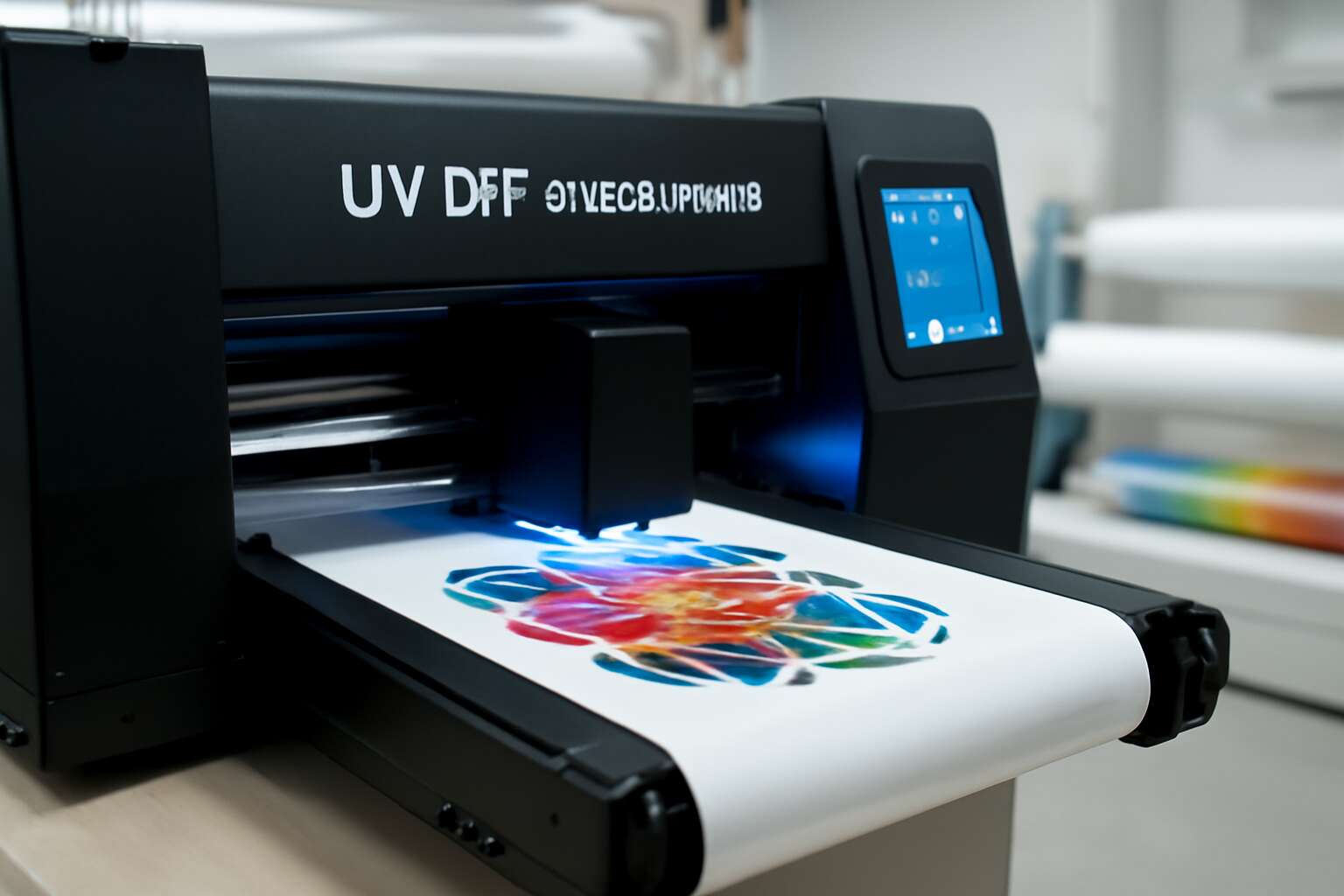
UV DTF Sticker Printing Equipment Pricing and Buying Guide
Section 1: Market Overview and Price Drivers
South Africa’s on-demand sticker market is blooming, with reports showing a 12% year-on-year expansion in custom UV prints. The question for many buyers is less about capability and more about total cost of ownership—the kind that reveals itself in months, not moments. In this market, the uv dtf sticker printing machine price is only the opening chord of a longer symphony.
Section 1 highlights price drivers: upfront purchase cost, local service support, and ongoing operating expenses that compound over time. To navigate wisely, consider:
- Initial investment versus financing terms
- Print head durability and maintenance needs
- Consumables, energy use, and downtime impact
Ultimately, the journey from sticker print to ROI hinges on balancing initial elegance with long-term reliability and regional service networks.
Section 2: Product Tiers and Pricing Benchmarks
Fresh paint and morning light spill across small-town workshops, and the conversation around uv dtf sticker printing machine price is more than cost—it’s confidence. I’ve watched frontline teams weigh durability and service reach before a single sheet feeds the press. In the long run, a machine that breathes with you saves more than it costs.
In this buying guide, product tiers and pricing benchmarks help you compare value without the hype. Entry-level units fit compact spaces and simple runs, mid-range machines offer better uptime and dual heads, and premium models bring industrial pace and remote diagnostics. Consider these three tiers:
- Entry-level: compact footprint and basic heads for short runs.
- Mid-range: dual heads, higher uptime, and better ink handling.
- Premium: industrial speeds, remote diagnostics, wide service networks.
With South Africa’s service networks and regional suppliers, the right tier can align with a shop’s rhythm and community needs.
Section 3: Cost of Ownership and ROI
ROI on any uv dtf sticker printing machine price isn’t a single number; it’s uptime, maintenance, and the ability to ship work today. From years in the field, I’ve seen SA shops that put uptime above sticker price—60% report it as the deciding factor. That price deserves scrutiny through the lens of total cost of ownership.
Costs to own fall into ink, media, maintenance, spare parts, power, and downtime. The ROI comes from longer runtimes between failures and faster turnarounds.
- Ink and media consumption over the machine’s life
- Routine maintenance and parts replacement
- Downtime costs from unexpected faults
- Access to local service networks and response times
- Energy use and waste management
For South African shops, choosing a tier with local service and parts access can tilt ROI in your favour and keep cash flow stable through busy seasons!
Section 4: Buying Guide and Negotiation Tips
Pricing is only one piece of the puzzle. In SA shops, uptime now beats sticker price 60% of the time when choosing a deal. The best outcomes balance a fair uv dtf sticker printing machine price with uptime, service speed, and easy access to spare parts. A low sticker price can hide downtime costs and long queues for jobs that miss deadlines. In South Africa, local support shapes outcomes as much as sticker price does.
- Local service networks and rapid response
- Spare parts availability and maintenance windows
- Warranty terms and transparent downtime costs
Negotiation hinges on total cost of ownership, not price alone. Seek clarity on service level agreements, response times, on-site options, and transparent parts lead times. The goal is a dependable partnership that keeps production moving through busy seasons.


0 Comments