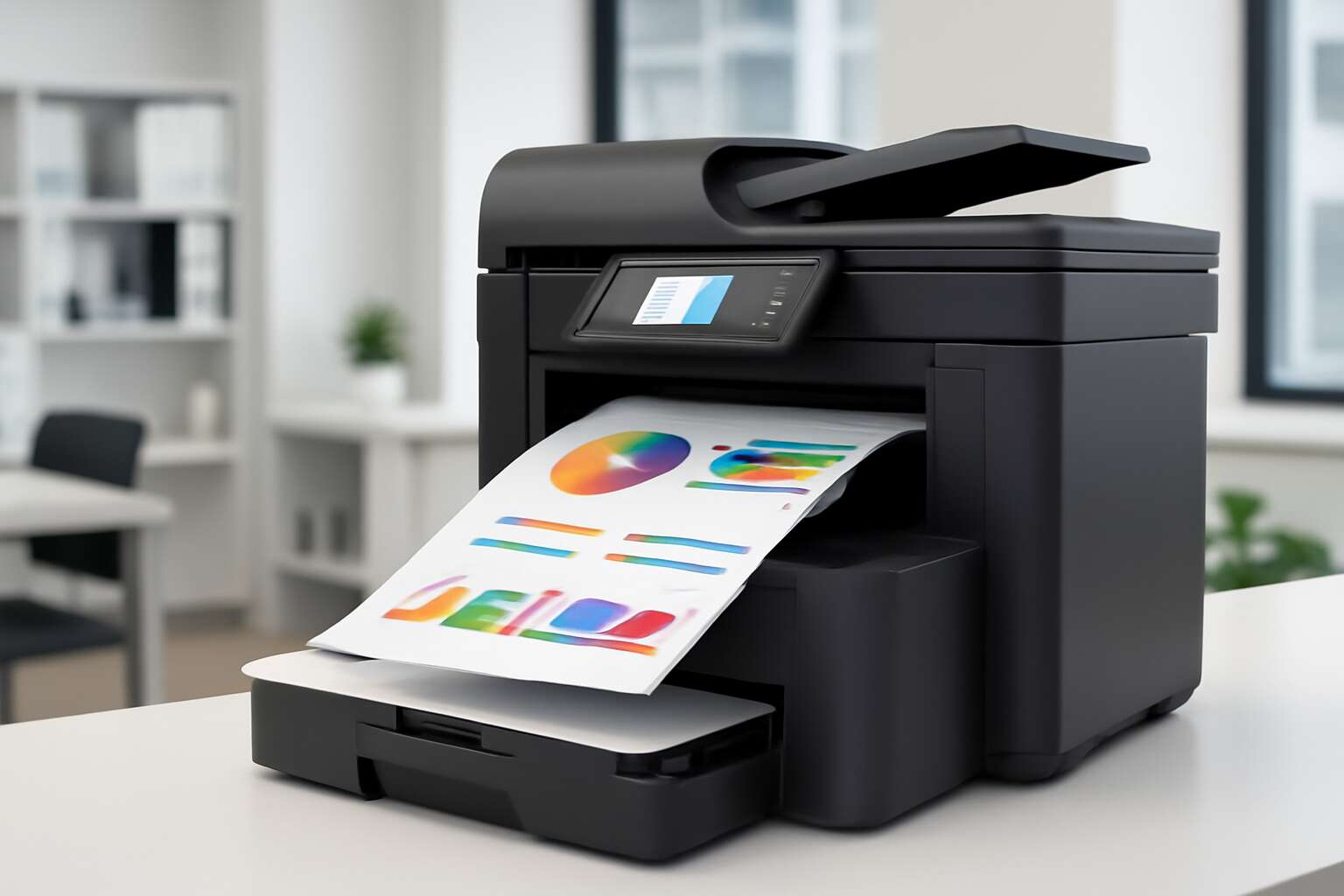
Understanding Computer Printing Machines
Overview of Printing Technologies – Different types of printing technologies used in computers
When it comes to choosing the right computer printing machine, understanding the underlying printing technologies can feel like deciphering an ancient scroll—except the messages are clearer, and the results are crisp. Did you know that the global printing industry is projected to reach over $400 billion by 2024? That’s a testament to how vital these machines are in our daily lives, from business reports to creative projects. Each computer printing machine employs a different method to translate digital files into tangible documents, making the selection process more intriguing than a South African safari.
Among the most prevalent printing technologies are inkjet, laser, and dot matrix. Inkjet printers are like artists with a palette—perfect for photo printing and detailed visuals. Laser printers, on the other hand, excel in speed and high-volume tasks, making them the workhorse of offices. Dot matrix printers, though somewhat nostalgic, still serve niche markets requiring ruggedness and multi-part forms. Understanding these distinctions helps in choosing a computer printing machine tailored to specific needs, whether in Johannesburg’s bustling offices or Cape Town’s creative studios.
History and Evolution – The development timeline of computer printing machines
The journey of the computer printing machine is nothing short of a technological epic, spanning over a century of ingenious innovations. From the humble beginnings of mechanical systems that churned out rudimentary text, to today’s sleek, high-definition devices—each milestone reflects humanity’s relentless pursuit of precision and speed. Early models, like the dot matrix printers, were akin to typewriter’s wild cousins, while the advent of inkjet and laser technology revolutionized the way we produce visuals and documents. This evolution isn’t just about faster printing; it’s about transforming digital dreams into tangible realities with remarkable clarity and efficiency.
Tracing the development timeline reveals a fascinating progression. Around the 1950s, the first computer printing machines emerged, primarily for industrial and military use. By the 1980s, personal computers gained popularity, and with them, the desktop computer printing machine became an essential office staple. As technology advanced, so did the features—color printing, wireless connectivity, and multi-function capabilities—making these machines indispensable in South Africa’s bustling offices and creative hubs. Today, the future of the computer printing machine leans towards eco-friendly innovations and smart integration, ensuring this industry remains as lively as a Johannesburg market on a Saturday morning.
Types of Computer Printing Machines – Printers, multifunction devices, and specialized printing equipment
Within the realm of digital craftsmanship, the variety of computer printing machines stands as a testament to human ingenuity. From the sleek, multi-function marvels that handle everything from printing, scanning, to copying, to the specialized equipment designed for high-volume, precise output—each type embodies a unique purpose. These machines are not mere tools; they are the artisans’ brushstrokes in the digital age, transforming abstract data into tangible brilliance.
Primarily, the industry is populated by three distinct categories: printers, multifunction devices, and specialized printing equipment. Printers, the most ubiquitous, serve as the everyday heroes—compact, efficient, and tailored for personal or office use. Meanwhile, multifunction devices combine several functionalities into a single sleek unit, streamlining workspaces and boosting productivity. For large-scale or industrial needs, specialized printing equipment—such as large-format or high-speed commercial printers—takes center stage, turning visions into expansive realities.
- Laser printers for high-speed, high-volume printing
- Inkjet printers for vivid, detailed visual output
- Wide-format printers for banners and large displays
Understanding these diverse forms of computer printing machines reveals the intricate dance of technology and purpose. Whether in bustling South African offices or creative studios, each type plays a vital role—an unspoken promise of precision, efficiency, and endless possibility in the art of print.
Types of Computer Printing Machines
Inkjet Printers – Features, advantages, and common uses
Inkjet printers, a captivating subset of the computer printing machine family, transform ordinary pages into vibrant tapestries of color and detail. Their magic lies in tiny nozzles that spray droplets of ink onto paper with astonishing precision, resulting in crisp images and sharp text. This technology is renowned for its versatility, making it a popular choice for both home offices and creative studios.
One of the most alluring advantages of inkjet printers is their ability to produce high-resolution prints—perfect for photographic reproductions and intricate graphics. Their affordability and compact design make them accessible for everyday use, yet they deliver professional-quality results. Whether printing detailed artwork or essential business documents, inkjet printers are a reliable companion.
In the realm of common uses, inkjet technology shines brightest in small-scale printing environments, where the need for colour accuracy and fine detail is paramount. They are especially favored in graphic design, photo printing, and in scenarios where vibrant output elevates the visual experience. Truly, the computer printing machine in inkjet form combines artistry with practicality, enchanting users across South Africa every day.
Laser Printers – High-speed printing, quality, and efficiency
When it comes to efficiency and speed, laser printers stand out as a formidable choice among computer printing machines. Their ability to produce high-quality prints rapidly makes them indispensable in busy offices and educational institutions across South Africa. Unlike inkjet printers, which excel at vibrant color reproduction, laser printers are designed for high-volume, crisp text output that doesn’t compromise on clarity.
Laser printers utilize a laser beam to transfer toner onto paper, creating sharp images and clean lines with incredible precision. This technology ensures that documents are not only printed quickly but also with consistent quality, even under heavy workloads. For organizations that rely on timely, professional results, a laser printer is often the backbone of their printing needs.
Some of the key features of laser printers include:
- High-speed printing capabilities
- Superior text clarity and crispness
- Cost-effective for large volumes
- Durability and long-lasting outputs
From large corporations to small businesses, the versatility of the computer printing machine in laser form ensures that every print job is handled with efficiency and finesse. Whether printing reports, invoices, or detailed graphics, laser technology remains a cornerstone of productive, high-quality printing in South Africa’s modern landscape. Truly, this type of printer embodies the perfect harmony of speed and precision, making it a vital asset for any professional setting.
dot Matrix Printers – Historical significance and niche applications
Among the myriad of computer printing machines that have shaped our digital age, dot matrix printers hold a unique place in history. These resilient devices, often considered the pioneers of affordable, versatile printing, played a pivotal role in the evolution of computer printing technology. Their rugged design and ability to produce multi-part forms made them indispensable in sectors like finance, logistics, and government offices across South Africa.
Dot matrix printers utilize a series of tiny pins that strike an inked ribbon, creating characters and images through a pattern of dots. This mechanical method allows for printing on multipart forms, making them ideal for invoices, receipts, and other transactional documents. Despite their decline in mainstream popularity, these printers still serve niche applications where durability and multipart form printing are paramount. Their ability to operate in challenging environments, such as factories or remote locations, underscores their enduring relevance.
- Cost-effective for high-volume printing tasks
- Robust operation in demanding environments
- Suitable for multipart forms and continuous paper
While modern computer printing machines like laser and inkjet printers have largely overshadowed dot matrix technology, their significance remains undeniable. They remind us that innovation often builds upon the resilience and ingenuity of the past, ensuring that even in the digital era, there is a place for these stalwart devices—especially in specialized fields requiring reliable, multipart, or rugged printing solutions.
Photo Printers – Specialized printing for photographs and high-quality images
Photo printers stand apart as the consummate artists in the realm of computer printing machines, transforming digital images into tangible masterpieces with a finesse that would make even the most discerning photographer nod in approval. These specialized devices excel at rendering high-quality photographs, whether for professional portfolios or cherished family memories. Unlike their more utilitarian counterparts, photo printers prioritize color accuracy, resolution, and detail, ensuring each pixel is faithfully reproduced.
In South Africa, where vibrant landscapes and rich cultural tapestries demand vivid reproduction, choosing the right computer printing machine becomes an art in itself. High-end photo printers often employ advanced inkjet technology, which allows for nuanced gradations and a broad color gamut. Their ability to produce gallery-worthy prints in various sizes makes them indispensable for photographers, graphic designers, and art enthusiasts alike. With the right device, every print becomes a testament to precision and passion.
Wide-Format Printers – Large-scale printing for banners and posters
In the vast realm of computer printing machines, Wide-Format Printers stand as titanic artisans capable of transforming digital visions into monumental realities. These marvels are the backbone of large-scale printing, crafting everything from vibrant banners to eye-catching posters that dominate South Africa’s bustling streets and vibrant events. Imagine a device that can breathe life into a simple digital sketch, enlarging it without sacrificing clarity or color fidelity—this is the essence of a wide-format computer printing machine.
With their ability to produce stunning visuals on expansive surfaces, these printers are indispensable for businesses, advertisers, and artists alike. Employing advanced inkjet technology, they deliver a broad color gamut and sharp detail, making every print a spectacle. Whether you’re creating an outdoor billboard or a captivating interior display, the right wide-format computer printing machine ensures your message is as grand as your imagination.
- Size capacity for various large-scale projects
- Exceptional color accuracy and resolution
- Compatibility with durable, weather-resistant inks
Key Features to Consider When Choosing a Printer
Print Quality and Resolution – DPI and image clarity
When it comes to choosing a computer printing machine, print quality and resolution are the unsung heroes that can make or break your printing experience. While a sleek design and speed are tempting selling points, nothing beats the crisp clarity of a high-resolution print. DPI—dots per inch—serves as the yardstick for this clarity, determining how sharp and detailed your images will appear on paper. A higher DPI, typically 1200 or above, ensures your photographs and graphics look professional and vibrant, akin to a gallery masterpiece rather than a blurry memory.
But beware! An overly ambitious DPI can slow down your workflow and drain your ink supply faster than a thirsty camel in the desert. Striking the perfect balance between resolution and efficiency is key. For most office tasks, 600 DPI suffices, but for high-end photo printing or marketing materials, aim for 2400 DPI or more. Remember, a computer printing machine with good print quality isn’t just about aesthetics—it’s about making your documents stand out with clarity and precision in every print job.
Printing Speed – Pages per minute and workflow efficiency
In the fast-paced world of business and creative pursuit, a computer printing machine isn’t just a device—it’s a vital extension of your vision. Speed and workflow efficiency often determine whether your project hits the deadline or misses the mark. When considering a computer printing machine, one of the most telling features is its printing speed—measured in pages per minute (PPM). This metric directly influences how smoothly your day unfolds, especially in high-volume environments where time is a luxury.
Efficiency isn’t just about rapid output; it’s about balancing speed with quality. A machine that churns out pages at lightning speed but produces blurry images or smudged text can hinder professionalism rather than enhance it. For busy offices juggling multiple tasks, a computer printing machine with a high PPM helps maintain momentum without sacrificing the crisp clarity needed for professional documents. Some models excel in this domain with intelligent workflow features, enabling users to optimize print jobs and reduce downtime. After all, in a world where every second counts, your choice of printer can make all the difference in achieving seamless productivity.
Connectivity Options – Wi-Fi, Ethernet, USB, and mobile printing
When selecting a computer printing machine that seamlessly integrates into your workflow, connectivity options are often the deciding factor. In a landscape driven by instant communication and mobile productivity, having versatile connection methods is non-negotiable. Whether it’s Wi-Fi, Ethernet, USB, or mobile printing, each feature offers unique advantages that can elevate your printing game.
Wi-Fi connectivity allows for effortless, wireless printing from multiple devices—perfect for busy offices or creative teams on the move. Ethernet ensures stable, high-speed network connections, ideal for high-volume environments where reliability is paramount. Meanwhile, USB ports provide a simple, direct link for quick setups or localized printing needs.
Mobile printing has revolutionized how we operate—think printing documents directly from your smartphone or tablet without fuss. Many modern computer printing machines support popular mobile printing standards like AirPrint or Google Cloud Print, making remote or on-the-go printing smoother than ever. Choosing a model with robust connectivity options guarantees your productivity remains unhindered, no matter where your work takes you.
Cost of Consumables – Ink, toner, and maintenance expenses
When selecting a computer printing machine, understanding the cost of consumables becomes paramount. These expenses—covering ink, toner, and maintenance—can significantly influence your overall investment. While some models may boast affordable initial prices, their ongoing costs might diminish savings over time. It’s essential to examine the lifespan of cartridges and the frequency of replacements to gauge true value.
For high-volume environments, laser printers often prove more economical due to their lower cost per page, especially when paired with bulk toner supplies. Conversely, inkjet printers, while initially less expensive, may incur higher costs for ink cartridges that need frequent replacement. Keeping a keen eye on these variables ensures your computer printing machine remains an efficient workhorse without draining your resources. In the end, balancing upfront costs with long-term consumables expenses guarantees seamless productivity and preserves your budget in the long run.
Compatibility and Software – Operating system support and driver availability
Choosing the right computer printing machine isn’t just about fancy features or speed; compatibility and software support are the unsung heroes of a smooth printing experience. In South Africa’s diverse tech landscape, ensuring your printer plays nice with your operating system can save you hours of frustration. Whether you’re running Windows, macOS, or a Linux distribution, driver availability is king. Without it, your high-tech marvel might become a glorified paperweight.
Most reputable manufacturers offer comprehensive driver support, making it easier to integrate your computer printing machine seamlessly into your workflow. Some models even boast universal drivers that work across multiple OS platforms, reducing headaches and simplifying maintenance. Consider the connectivity options as well—Wi-Fi, Ethernet, or USB—to ensure your printer can connect effortlessly to your network or device. After all, a computer printing machine is only as good as its ability to communicate with your device, and that starts with compatibility.
Advantages of Modern Computer Printing Machines
High Efficiency and Productivity – Speed and automation features
In today’s fast-paced business environment, the advantages of modern computer printing machines cannot be overstated. Their high efficiency and productivity capabilities transform how organizations operate, enabling rapid turnaround times and minimal downtime. With advanced automation features, a computer printing machine can handle large volumes of printing jobs seamlessly, reducing the need for manual intervention and freeing up valuable human resources.
Speed is the cornerstone of these innovations. Modern computer printing machines can produce dozens of pages per minute, ensuring that deadlines are met without compromising quality. This acceleration doesn’t come at the expense of precision; instead, it is complemented by sophisticated print technology that maintains sharp resolution and consistent output. Whether printing detailed reports, marketing materials, or high-resolution images, these machines elevate the standard of professional printing.
Furthermore, integration with connectivity options such as Wi-Fi, Ethernet, and mobile printing allows for effortless operation across diverse work environments. This versatility ensures that a computer printing machine remains an indispensable tool in the modern digital age, where efficiency and speed directly influence competitive advantage and operational success.
Cost Effectiveness – Lower running costs and energy savings
Amidst the relentless march of technological innovation, modern computer printing machines stand as paragons of cost efficiency, transforming the very fabric of business operations. These marvels are engineered not merely for speed but for sustainability, weaving together lower running costs and energy savings that resonate deeply with environmentally conscious enterprises and budget-savvy organizations alike.
Thanks to advanced toner and ink technologies, a computer printing machine now consumes significantly less power while delivering remarkable output. This harmonious balance between performance and conservation ensures that every page printed is a testament to smart resource management. Moreover, many models offer energy-saving modes that automatically activate during downtime, further reducing operational expenses.
- Reduced ink and toner consumption
- Minimized maintenance costs
- Enhanced energy efficiency
Such features not only bolster a company’s bottom line but also align with global efforts to foster greener, more sustainable workplaces. When contrasted with older, less efficient systems, these cutting-edge computer printing machines exemplify the perfect marriage of economy and ecology, making them indispensable in South Africa’s dynamic business landscape. Truly, they are not just tools but catalysts for smarter, more responsible enterprise practices!
Enhanced Print Quality – Sharpness, color accuracy, and longevity
In the realm of modern office marvels, a computer printing machine stands as a beacon of technological artistry, transforming mundane pages into vivid tapestries of clarity and color. These sophisticated devices are no longer mere tools—they are the custodians of precision, ensuring every document, image, or graphic emerges with unparalleled sharpness. The crispness of fonts and the vibrancy of hues breathe life into static text, elevating the mundane to the extraordinary.
Thanks to advancements in print head technology and ink formulation, a computer printing machine now boasts remarkable longevity and color accuracy. Every print is a testament to meticulous engineering, capturing subtle shades and intricate details that speak volumes about quality. Whether producing detailed architectural plans or vibrant marketing materials, these machines deliver consistent excellence that endures over time. The durability of printed materials—resistant to fading and smudging—further underscores their role in crafting professional, lasting impressions.
With the integration of innovative features such as high DPI resolutions and enhanced color calibration, modern computer printing machines provide an experience that is both visually stunning and reliable. The seamless blending of performance and craftsmanship ensures that each output embodies the pinnacle of print quality, making them indispensable in South Africa’s ever-evolving business landscape. Truly, when it comes to achieving the perfect print, these machines are the artisans behind the scenes, weaving excellence into every page!
Integration with Digital Workflows – Cloud printing and mobile device compatibility
In today’s fast-paced digital era, a computer printing machine is no longer just a device—it’s a seamless extension of your workflow. Its ability to integrate effortlessly with cloud printing services transforms the way businesses operate in South Africa, enabling instant document sharing from any device, anywhere. Imagine sending a high-resolution report from your mobile device and watching it materialize with perfect clarity—no cables, no fuss.
Compatibility with mobile devices enhances flexibility, allowing users to print directly from smartphones or tablets, often through user-friendly apps. This mobility means that whether you’re in a boardroom or on-site, your printing capabilities are at your fingertips. For added convenience, many modern computer printing machines support features like Wi-Fi and Ethernet connectivity, ensuring swift and reliable communication with your digital ecosystem.
Furthermore, cloud printing unlocks collaboration, making it possible for teams across South Africa to share, review, and print documents without the need for physical transfers or complex setups. This integration fosters a more agile and responsive work environment, where ideas flow freely and projects progress unimpeded. Truly, the synergy between cutting-edge technology and intuitive design makes the modern computer printing machine an indispensable tool for today’s dynamic businesses.
Eco-Friendly Features – Sustainable materials and duplex printing
Modern computer printing machines are leading the charge in sustainability, aligning technological innovation with environmental responsibility. Many of these devices incorporate eco-friendly features that reduce waste and conserve resources, making them a smart choice for businesses in South Africa committed to greener practices. One standout feature is duplex printing, which allows users to effortlessly print on both sides of a sheet, halving paper consumption without sacrificing quality.
Additionally, manufacturers now prioritize the use of sustainable materials in the production of computer printing machines. This shift not only minimizes ecological footprints but also enhances durability, meaning the devices last longer and require fewer replacements. For organizations aiming to lower their carbon footprint, these advancements are invaluable. Incorporating eco-conscious features, such as energy-efficient components and recyclable cartridges, further optimizes the sustainability profile of modern printers.
In essence, a computer printing machine with eco-friendly features supports responsible resource management while maintaining high performance. As companies seek to balance productivity with environmental stewardship, these innovations prove that sustainability and efficiency can go hand in hand, shaping a more sustainable future for South African businesses.
Applications of Computer Printing Machines
Home Use – Personal printing needs and considerations
In the realm of personal use, a computer printing machine becomes more than just a device—it’s a trusted companion in bringing ideas to life. Whether it’s printing cherished family photographs or crafting personalized stationery, the versatility of these machines transforms everyday tasks into moments of creative expression. For home users, considerations such as print quality, connectivity options, and ongoing consumable costs shape the decision-making process, ensuring the chosen computer printing machine aligns perfectly with individual needs. Imagine effortlessly scanning and printing documents via Wi-Fi or mobile devices, turning your living space into a hub of productivity and artistry.
Furthermore, the advent of eco-friendly features and duplex printing options allows users to embrace sustainability without sacrificing quality. Home environments demand cost-effective solutions that balance performance and budget—making the right choice of a computer printing machine essential. Whether printing vibrant images or crisp text, the right machine elevates the home printing experience, blending technological prowess with personal convenience. Ultimately, a well-chosen computer printing machine becomes an extension of your creative spirit, seamlessly integrating into your daily life.
Small and Medium Businesses – Office printing, document management
In the vibrant world of small and medium businesses across South Africa, the computer printing machine is far more than a mere accessory—it’s the heartbeat of daily operations. From printing essential documents to managing intricate workflows, these devices streamline business processes with seamless efficiency. Whether it’s producing client proposals, invoices, or marketing materials, a reliable computer printing machine ensures that productivity never stalls.
For office environments, choosing a machine that balances speed and quality can transform routine tasks into smooth, effortless operations. Many modern models offer advanced connectivity options, such as Wi-Fi and network integration, allowing multiple users to access and print from any device within the workspace. This interconnectedness fosters a collaborative atmosphere, where ideas flow as freely as the documents they generate.
Moreover, the versatility of a computer printing machine caters to diverse needs—be it high-resolution graphics for promotional banners or crisp text for official correspondence. As businesses grow, so does the importance of cost-effective consumables, including toner and ink, which keep the workflow uninterrupted. With the right choice, a computer printing machine becomes an indispensable tool—enhancing productivity, elevating professionalism, and seamlessly integrating into the digital fabric of South African enterprises.
Large Enterprises – High-volume printing and data security
In the vast realm of large enterprises, the computer printing machine is more than a mere device—it’s a guardian of data integrity and a catalyst for high-volume output. With the increasing demand for rapid, secure printing, these machines have evolved into sophisticated marvels that seamlessly blend speed with unyielding security protocols. They serve as the backbone of corporate operations, ensuring sensitive information is protected while delivering documents at lightning-fast rates.
One of the most critical applications of a computer printing machine in large-scale environments is maintaining robust data security. Features such as encrypted printing, user authentication, and audit trails safeguard confidential business information, preventing unauthorized access. Moreover, these devices support multiple users through advanced connectivity options, including Wi-Fi and Ethernet, fostering a collaborative yet secure workspace.
For organizations where precision and efficiency are paramount, choosing a computer printing machine that excels in high-volume printing and security can transform how business is conducted—making it not just a tool, but an integral part of corporate resilience.
Creative and Design Studios – High-quality imaging and color management
In the vibrant world of creative and design studios, a high-quality computer printing machine is nothing short of a secret weapon. It’s the unsung hero behind stunning visuals, precise color matching, and impeccable image reproduction. When every pixel counts, these machines deliver crisp lines, vibrant hues, and smooth gradations that bring ideas to life — making them indispensable for graphic designers, photographers, and advertising agencies alike.
Color management is the backbone of professional printing, and a top-tier computer printing machine excels in this area. With advanced calibration tools and consistent output, artists and marketers can trust that their visions translate flawlessly from screen to print. Moreover, these machines support a variety of media types, from glossy photo paper to textured art stock, ensuring flexibility for every project.
For studios aiming to push creative boundaries, features such as high resolution (often up to 1200 DPI), seamless connectivity options, and eco-friendly options like duplex printing make a significant difference. A computer printing machine not only enhances print quality but also streamlines workflows, helping creative teams meet tight deadlines without sacrificing finesse. Whether producing gallery-quality prints or rapid prototypes, these machines unlock a world of artistic possibility — all while keeping the process efficient and cost-effective.
Industrial and Specialty Printing – Large-format, textile, and 3D printing
In the dynamic world of industrial and specialty printing, the versatility of a computer printing machine truly knows no bounds. From massive banners that dominate cityscapes to intricate textile designs that transform fabrics into works of art, these machines are revolutionising the way we approach large-format, textile, and 3D printing. Their ability to handle diverse media types makes them indispensable for businesses aiming to stand out in competitive markets.
Large-format printers, in particular, have become the cornerstone of advertising and event industries. They produce eye-catching visuals on a colossal scale, ensuring brand visibility and impact. Meanwhile, textile printing using specialized computer printing machines allows fashion designers and interior decorators to craft vibrant, detailed patterns efficiently. The advent of 3D printing technology has further expanded the horizon, enabling rapid prototyping, custom manufacturing, and even complex artistic installations.
- Precision and detail are paramount, and advanced computer printing machines deliver high-resolution outputs that captivate audiences and clients alike.
- Connectivity options such as Wi-Fi and Ethernet facilitate seamless integration into digital workflows, streamlining production lines and reducing downtime.
- Eco-friendly features like energy-efficient operation and sustainable materials help companies meet their environmental commitments while maintaining top-tier quality.
Whether it’s a textile factory creating bespoke fabric designs or a manufacturing plant producing prototypes with precision, the adaptability of a computer printing machine opens new horizons in industrial and specialty printing. These technological marvels are not just tools—they are catalysts for innovation, pushing creative boundaries further than ever before.
Maintenance and Troubleshooting
Routine Maintenance Tips – Cleaning and replacing consumables
Maintaining a computer printing machine is a ritual that transcends routine, transforming mundane upkeep into an act of preservation for precision and performance. Regular cleaning of the print heads, rollers, and internal components is essential to prevent the accumulation of dust, ink residue, and paper debris that can subtly erode print quality over time. This process not only prolongs the lifespan of the device but also ensures consistently sharp images and text.
Replacing consumables, such as ink cartridges and toner, must be approached with deliberate care—using genuine components to uphold the integrity of print output. A meticulous check of the paper feed tray and alignment sensors can nip potential jams in the bud, averting costly downtime. Troubleshooting common issues like streaks, faded prints, or paper jams often reveals underlying problems that, when addressed promptly, restore the computer printing machine to its optimal state. By embracing a disciplined routine of maintenance and troubleshooting, users safeguard their investment and sustain a workflow that is both efficient and reliable.
Common Issues and Solutions – Paper jams, print quality problems, connectivity issues
In the shadowed corridors of office life and creative studios alike, the computer printing machine often whispers secrets of reliability and precision. Yet, even the most formidable device can falter—paper jams, ghostly streaks across prints, or mysterious connectivity failures threaten to disrupt the workflow. These issues, though common, are often rooted in unseen causes lurking within the machine’s intricate machinery.
When paper refuses to glide smoothly or stubbornly jams, the culprit may be debris hidden within the rollers or misaligned paper feed trays. A careful inspection and gentle clearing can often resolve these vexing issues. For print quality problems—unwanted streaks, faded images, or inconsistent color—checking the print heads and replacing worn consumables is essential. Sometimes, a simple recalibration or a firmware update restores the computer printing machine’s optimal performance.
Connectivity issues, a modern plague, often stem from loose cables, outdated drivers, or conflicting network settings. Troubleshooting these problems involves verifying connections, updating software, and sometimes resetting network configurations. For an added layer of peace of mind, users should periodically check the status of their device’s firmware and ensure their network security protocols are not interfering with the print process.
For those who find themselves facing recurring issues, employing a systematic approach is key:
- Inspect the paper feed and remove any obstructions
- Clean the print heads with approved solutions
- Replace consumables with genuine cartridges or toner
- Update drivers and firmware regularly
- Check network settings and reset connections if needed
As the shadows lengthen and the night draws near, the vigilant maintenance of the computer printing machine becomes an act of ritual—an unspoken promise to safeguard the silent workhorse of the modern age. Embracing this discipline ensures that every print, every document, emerges with clarity and purpose, undisturbed by the ghosts of technical failure.
Upgrading and Enhancing – Firmware updates and peripheral additions
Upgrading and enhancing your computer printing machine is a dance between technology’s relentless evolution and the artistry of maintenance. Firmware updates, often overlooked, elevate the device’s intelligence—improving print speed, resolution, and compatibility. These updates can transform a sluggish workhorse into a seamless performer, capable of handling today’s demanding workflows with grace. Regularly checking for these updates ensures your computer printing machine remains at the forefront of innovation, reducing downtime and boosting efficiency.
In addition to firmware, peripheral additions such as new paper trays, finishing accessories, or wireless modules can extend your machine’s capabilities. These enhancements turn a basic model into a versatile tool, suited for specialized tasks like large-format printing or high-quality photo reproduction. For instance, integrating a high-capacity paper feeder minimizes interruptions during long print runs, making your computer printing machine more productive and cost-effective.
Sometimes, the key lies in a simple upgrade—installing a more sophisticated toner cartridge or switching to eco-friendly supplies—each contributing to sharper, more vibrant outputs. Whether you’re embracing cloud printing or expanding connectivity options, these improvements ensure your device adapts to the dynamic needs of South African businesses and creative studios alike. Embracing a culture of continual enhancement keeps your computer printing machine at the pinnacle of performance and sustainability, echoing the enduring pursuit of excellence that defines modern enterprise.
Future Trends in Computer Printing Machines
AI-Integrated Printing – Smart features and automation
The future of the computer printing machine is poised on the brink of a technological revolution driven by AI integration. Imagine a world where your printing devices anticipate your needs, seamlessly adjusting settings for optimal results—no manual intervention required. This level of smart automation not only enhances efficiency but also ensures consistent print quality, a critical factor in high-stakes environments like creative studios or corporate offices. AI-powered features are enabling printers to detect paper jams, optimize ink usage, and even predict maintenance needs before issues arise, drastically reducing downtime.
As the industry evolves, we see an increasing emphasis on eco-friendly innovations. Smart features now include sustainable materials and duplex printing options that conserve resources. Moreover, integration with digital workflows allows for cloud printing and mobile device compatibility, making the computer printing machine more versatile and user-centric than ever before. These advancements promise a future where printing is not just faster, but smarter—transforming traditional processes into streamlined, sustainable operations that cater to the dynamic demands of South Africa’s diverse business landscape.
Sustainable Technologies – Eco-friendly ink and materials
As the world pivots towards sustainability, the future of the computer printing machine is unmistakably greener. Eco-friendly ink and sustainable materials are no longer optional extras but vital components of modern printing technology. South African businesses, whether small startups or sprawling enterprises, are increasingly demanding greener alternatives that align with global environmental commitments. The adoption of biodegradable toners and recycled paper stocks exemplifies this shift, making every print a conscious choice.
Innovations in duplex printing and low-impact inks are transforming the industry, reducing resource consumption without sacrificing quality. The integration of sustainable materials not only supports eco-conscious practices but also enhances brand reputation in a market that values corporate responsibility. As technology advances, expect to see more computer printing machines embracing environmentally friendly features that conserve energy and minimize waste—an essential step toward a more sustainable future for printing across South Africa.
3D Printing Innovations – Emerging applications and capabilities
In the shadowy corridors of technological evolution, 3D printing has emerged as a specter of transformation, beckoning industries toward uncharted realms of possibility. The future of the computer printing machine is no longer confined to two-dimensional confines—now, it breathes life into three-dimensional form, shaping everything from intricate prototypes to vital industrial components. Emerging applications in South Africa, such as custom prosthetics and sustainable architectural models, underscore the profound impact of these innovations.
Advancements in materials and capabilities are fueling this revolution. Imagine a computer printing machine capable of fabricating complex structures with biodegradable filaments or recycled composites—an ode to environmental stewardship. The integration of AI-driven automation promises even greater precision and efficiency, making 3D printing an indispensable tool for sectors like manufacturing, healthcare, and design.
As the boundaries of what a computer printing machine can achieve expand, so too does its role in fostering a sustainable, inventive future. With each layer laid, the potential for groundbreaking applications grows, heralding a new epoch where imagination and technology forge a symbiotic dance—casting shadows and light across South Africa’s industrial landscape.
Wireless and Cloud Integration – Seamless connectivity and remote printing
In the rapidly evolving world of technology, the future of the computer printing machine is set to become even more interconnected and intuitive. Imagine a seamless ecosystem where your printing tasks are effortlessly managed through wireless and cloud integration, transforming the way South African industries operate. This trend is not just about convenience; it’s about unlocking new levels of efficiency and innovation.
Wireless connectivity, coupled with cloud-based services, allows users to print from virtually anywhere, removing the constraints of traditional cables and local networks. Remote printing capabilities empower businesses to manage documents on the go, whether from a smartphone, tablet, or laptop. For instance, creative studios and small businesses in South Africa can now send complex print jobs to their computer printing machines with just a few taps, reducing downtime and boosting productivity.
- Real-time print management
- Enhanced security protocols for cloud-based workflows
- Integration with enterprise resource planning (ERP) systems
As these technological strides continue, the evolution of the computer printing machine will also see AI-driven automation optimizing print queues and maintenance schedules. This synergy of smart technology and connectivity is set to redefine the boundaries of what’s possible in both office environments and industrial settings across South Africa. The horizon gleams with the promise of smarter, faster, and more adaptable printing solutions—an adventure in innovation that’s only just beginning.

0 Comments